Keir Starmer Resigns as Prime Minister and Labour Leader Outside Downing Street
Starmer Resigns: PM Steps Down as Labour Leader

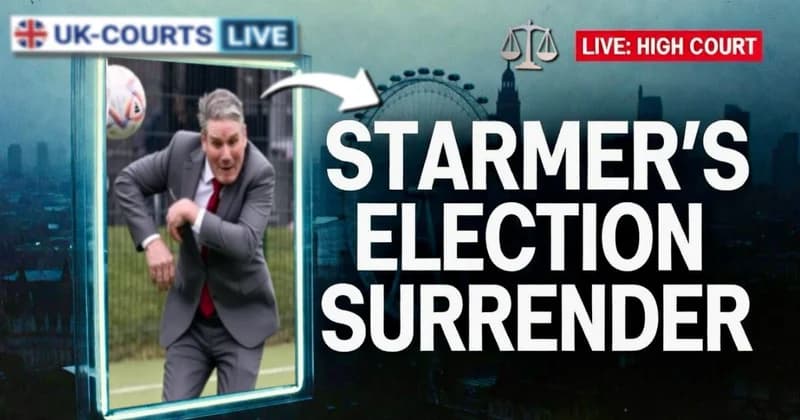
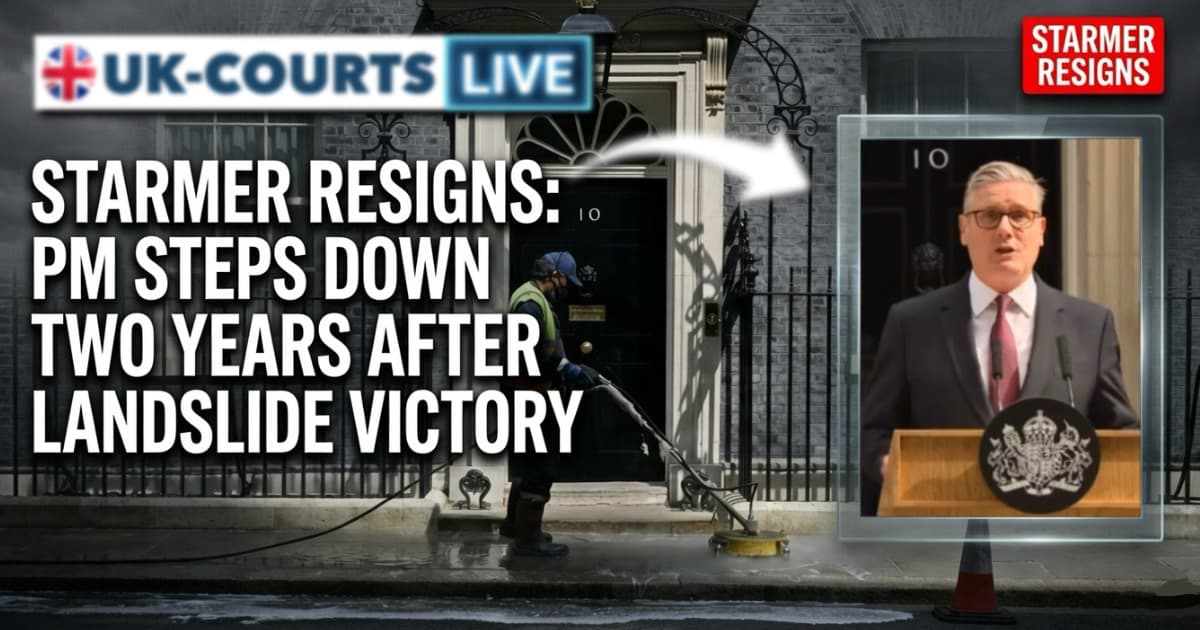
In an extraordinary morning outside the gates of Downing Street, Sir Keir Starmer has officially confirmed his resignation as Prime Minister and leader of the Labour Party, bringing a premature and dramatic end to his premiership just two years after securing a historic landslide election victory.
Speaking to a crowd of reporters and a stunned political establishment, Starmer announced a structured timetable for his departure, solidifying his place as the second shortest-serving Labour Prime Minister in British history.
His voice choked with emotion, Starmer revealed he had spoken with His Majesty the King earlier today to inform him of the decision, stating that every decision he had taken throughout his career was centered on putting the country first.
The outgoing Prime Minister noted that walking up Downing Street two years ago stood as the proudest moment of his life, but acknowledged with good grace that the parliamentary party had made its position clear regarding whether he remains the right person to lead Labour into the next general election.
The downfall follows intense institutional pressure within Westminster, heavily catalyzed by recent political shifts, including Andy Burnham’s high-profile return to parliament via a by-election victory in Makerfield.
This internal pressure reached a boiling point over the weekend, with more than 100 Labour MPs actively calling for a transition of power, alongside multiple cabinet ministers privately advising Starmer that his tenure had run its course.
Reflecting on his overall leadership, Starmer staunchly defended his legacy, reminding the public that six years ago he inherited a Labour Party that was politically, financially, and morally bankrupt.
He emphasized that despite widespread predictions of the party's permanent demise, his leadership successfully reformed the party's core apparatus, actively rooting out anti-Semitism, restoring structural trust in national security, defense, and economic policy, and positioning the party to capture a sweeping 174-seat majority with 411 total seats in the 2024 general election.
However, the immense momentum of that historic 2024 victory rapidly dwindled under the weight of severe policy U-turns, compounding domestic scandals, and a biting cost of living crisis.
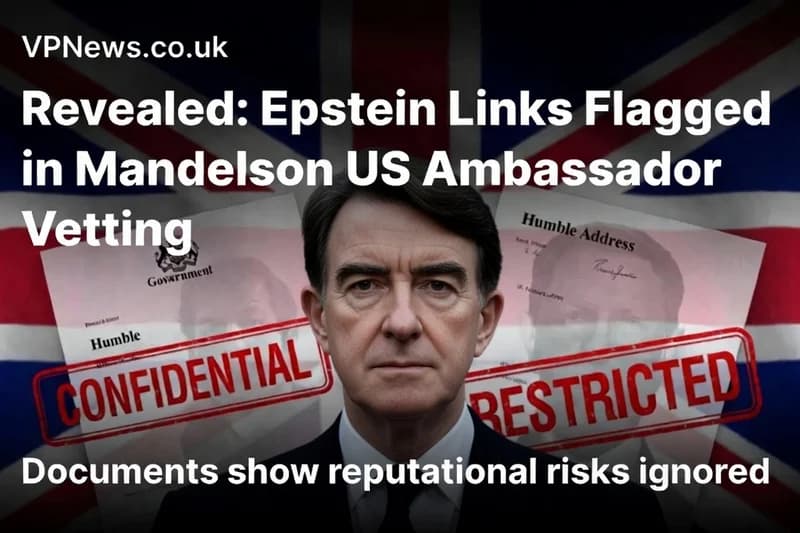
The administration's controversial decision to eliminate winter fuel payments for millions of pensioners, coupled with prolonged controversies surrounding high-profile donor 'freebies' and the Lord Peter Mandelson scandal, steadily eroded Starmer's personal ratings and fractured parliamentary unity.
As his emotional speech drew to a close, Starmer turned his focus to his family, paying a tearful tribute to his wife, Lady Victoria Starmer, and their children.
He stated that upon leaving the highest office in the country, he intends to focus completely on what he considers his most vital role: being a dedicated husband to his wife, who he described as his unwavering rock through both good times and bad, and a supportive father to his children.
The Prime Minister confirmed that he will remain in place as a caretaker leader to ensure an orderly and smooth handover of power until a formal leadership contest is concluded.
He has formally requested the National Executive Committee (NEC) to initiate the succession process, with nominations scheduled to open on July 9 and conclude before the summer recess, ensuring that a new Prime Minister and Labour leader will be firmly established before Parliament reconvenes in September.
This official timeline effectively clears a direct path for the former Mayor of Greater Manchester, Andy Burnham, who is widely viewed by political insiders as the front-runner to become the United Kingdom's seventh Prime Minister in a turbulent decade.
The political fallout from the announcement was immediate and polarizing across the ideological spectrum. Reform UK leader Nigel Farage launched a scathing assessment, demanding an immediate snap general election and labeling Starmer as the most incompetent Prime Minister the nation has ever endured.
Other party leaders adopted a more structurally critical stance; Liberal Democrat leader Ed Davey refrained from personal attacks but demanded systemic change to fix what he described as a broken and endless merry-go-round of interchangeable Prime Ministers.
Davey urged the incoming administration to drop caution and complacency, calling for bold interventions to address the NHS crisis, overhaul social care, implement voting reform, and secure a new deal with Europe to combat the ongoing cost of living crisis.
Financial markets reacted swiftly to the sudden vacuum of power, with the FTSE 100 experiencing notable fluctuations and the British pound falling below $1.32 for the first time in nearly three months, while long-dated government bond yields climbed steadily as international investors factored in a fresh wave of UK political uncertainty.