
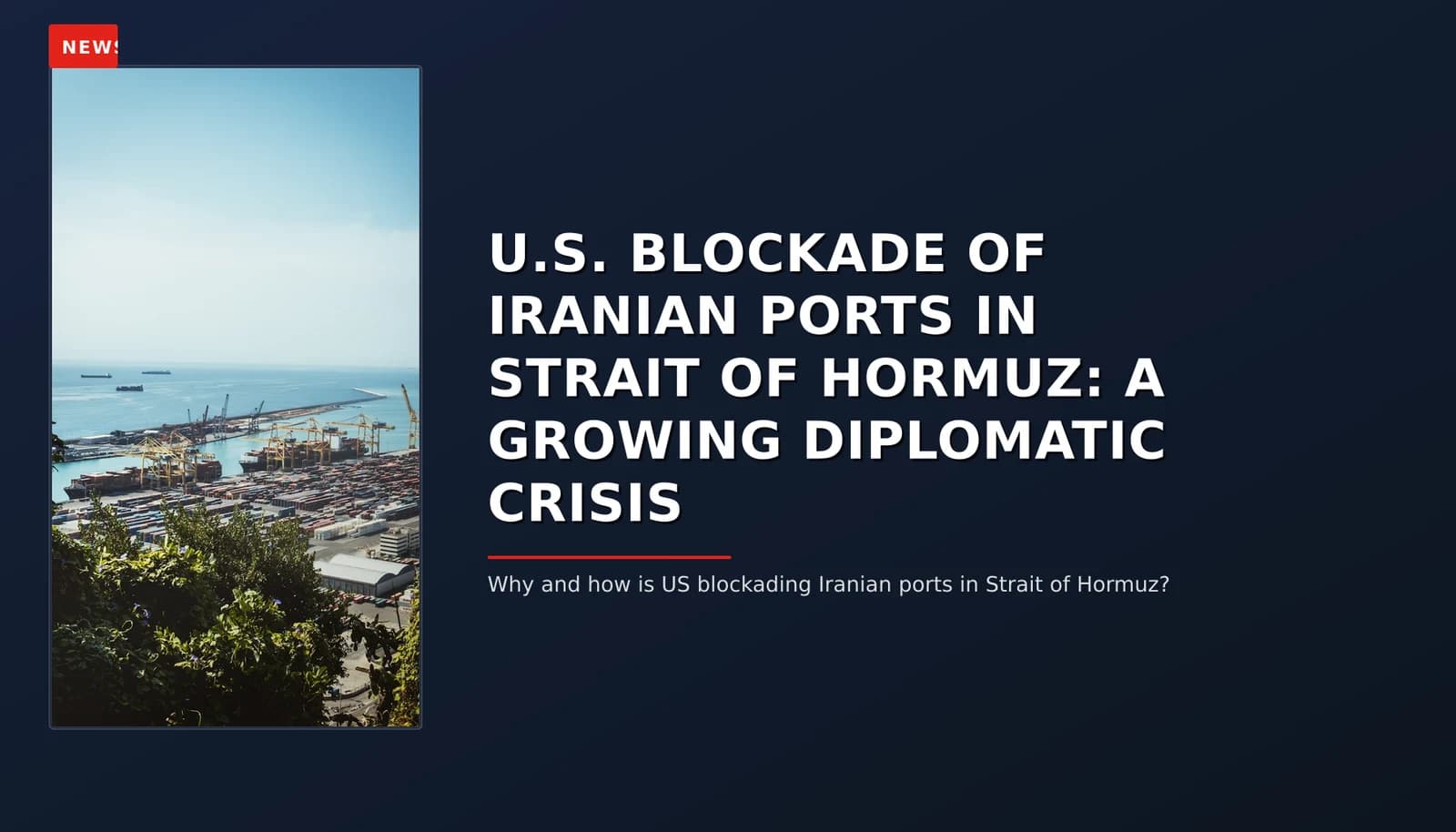
U.S. Blockade Of Iranian Ports In Strait Of Hormuz: A Growing Diplomatic Crisis
The United States has reportedly stepped up its naval presence in the Strait of Hormuz, with increasing evidence suggesting that Iranian ports along this…

The U.S. is escalating tensions by blocking Iranian ports in the Strait of Hormuz, sparking international concern and diplomatic fallout.
The United States has reportedly stepped up its naval presence in the Strait of Hormuz, with increasing evidence suggesting that Iranian ports along this strategic waterway are being targeted. As a critical chokepoint for global oil trade, this move raises significant concerns over potential disruptions to international energy supplies and escalates tensions in an already volatile region.
While there is limited confirmation of these actions due to the developing nature of the story, it is understood that U.S. naval vessels have been observed near Iranian coastal areas, with some reports indicating blockades or restrictions on maritime traffic. The Strait of Hormuz, which connects the Persian Gulf to the Indian Ocean, is a vital route for oil shipments from Iran and other Gulf states.
The motivations behind this blockade are unclear, though it could be linked to ongoing tensions between the U.S. and Iran over nuclear proliferation, regional influence, and mutual accusations of harassment in international waters. Such actions come at a time when diplomatic efforts aimed at de-escalating tensions have been struggling to gain traction.
International observers are expressing caution, with some suggesting that this escalation could lead to broader conflict in the region. The lack of direct communication between the two nations' leaders further complicates the situation, raising fears of miscalculations and unintended escalations.
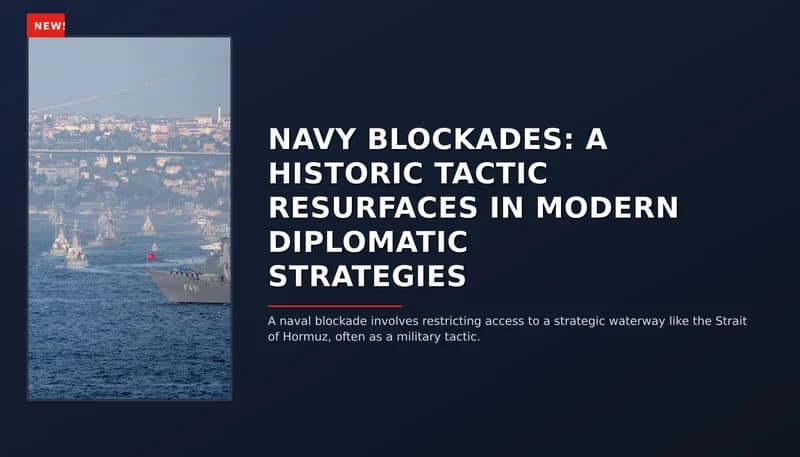
Read more: Navy Blockades: A Historic Tactic Resurfaces In Modern Diplomatic Strategies
The economic implications of such a blockade are severe, as the Strait carries approximately one-third of the world's seaborne oil exports. Any prolonged disruption could send shockwaves through global energy markets, affecting prices and supply chains worldwide.
Meanwhile, Iran has shown resilience in facing U.S. sanctions and regional pressures, with its military frequently conducting exercises in the area. The country has repeatedly emphasized its determination to safeguard its sovereignty and maritime rights, potentially leading to confrontational encounters with U.S. forces.
The international community is urging both sides to exercise restraint and seek dialogue to prevent further escalation. Diplomatic channels remain open, though the prospects for meaningful progress appear slim given the deep-seated mistrust between the two nations.
As the situation evolves, the focus will be on whether Iran responds with proportional measures or opts for a more measured approach. The outcome of this stand-off could have far-reaching consequences for global energy security and regional stability.

Comments (0)
No comments yet. Be the first to share your thoughts!
Leave a Comment
Your email address will not be published. Comments are moderated before appearing.