
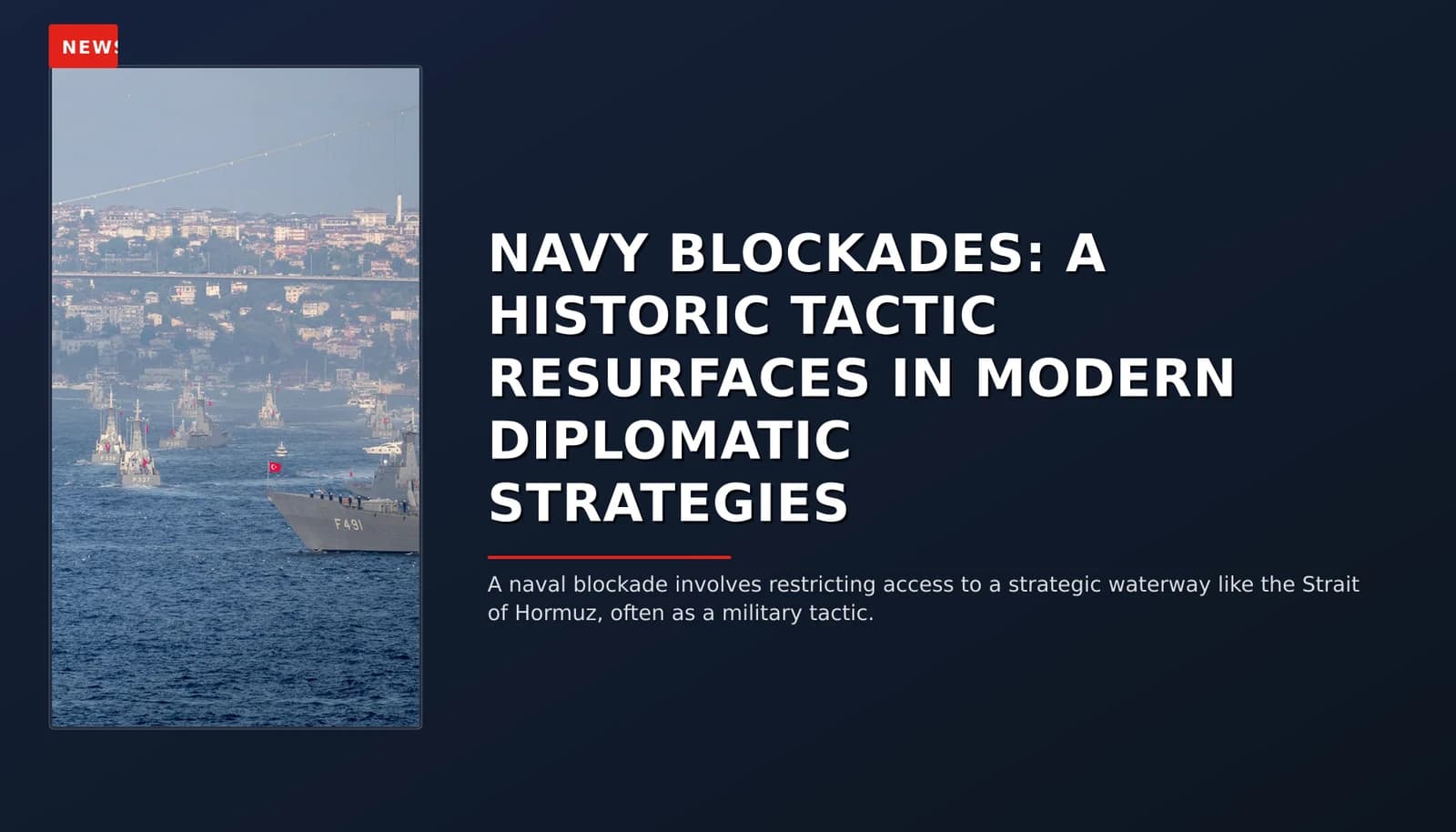
Navy Blockades: A Historic Tactic Resurfaces In Modern Diplomatic Strategies
The concept of naval blockades dates back to ancient times, with their strategic importance often determining the course of wars and conflicts. From the…

Naval blockades, once a cornerstone of maritime warfare, are re-emerging as a tool in modern international relations.
The concept of naval blockades dates back to ancient times, with their strategic importance often determining the course of wars and conflicts. From the Napoleonic Wars to both World Wars, these blockades have played a pivotal role in shaping global geopolitics. In recent weeks, as tensions rise in the Middle East, the idea of implementing such measures has resurfaced, sparking debates over their potential impact on international trade and diplomacy.
According to historical records, naval blockades were instrumental during World War I, where Germany's unrestricted submarine warfare led to significant disruptions in maritime commerce. Similarly, in World War II, battleships and submarines were deployed to control key straits and waterways, underscoring their tactical value. More recently, the Persian Gulf has witnessed instances where naval forces have been positioned to assert territorial claims and enforce economic pressures.
The Strait of Hormuz, a narrow passage connecting the Persian Gulf to the Indian Ocean, is frequently cited as a critical chokepoint for global oil shipments. It is estimated that over 30% of the world's oil supply passes through this strategic waterway daily, making it a prime target for potential blockades. However, verifying the exact figure remains challenging due to varying sources and reporting discrepancies.
Naval blockades can be executed by individual nations or coalitions, employing both surface vessels and submarines to disrupt maritime trade routes. This tactic not only aims to halt the movement of goods but also imposes economic hardships on opposing nations, forcing them into negotiations or concessions. The historical precedents set during previous conflicts provide a template for how such measures might unfold in modern times.
Read more: Uk War Crime Allegations Emerge: Russian Strikes In Ukraine Leave Death Toll Rising
In considering the implications of a naval blockade today, it's essential to examine the broader context of international law and diplomatic relations. Under international maritime law, freedom of navigation is a fundamental principle, and blockades are often viewed as violations of this tenet. However, during times of war or heightened tensions, such measures can be justified under certain legal frameworks.
As global powers continue to navigate complex geopolitical landscapes, the potential resurgence of naval blockades raises questions about their effectiveness in contemporary strategies. While they may serve as powerful deterrents or tools for coercion, the economic and strategic risks involved cannot be overlooked. The Strait of Hormuz, with its immense importance to global energy markets, remains a focal point for such considerations.
Looking ahead, the international community must remain vigilant against any unilateral actions that could disrupt vital trade routes. The lessons from history remind us that naval blockades can have far-reaching consequences, not only on the belligerent nations but also on global economic stability and diplomatic relations.

More Stories
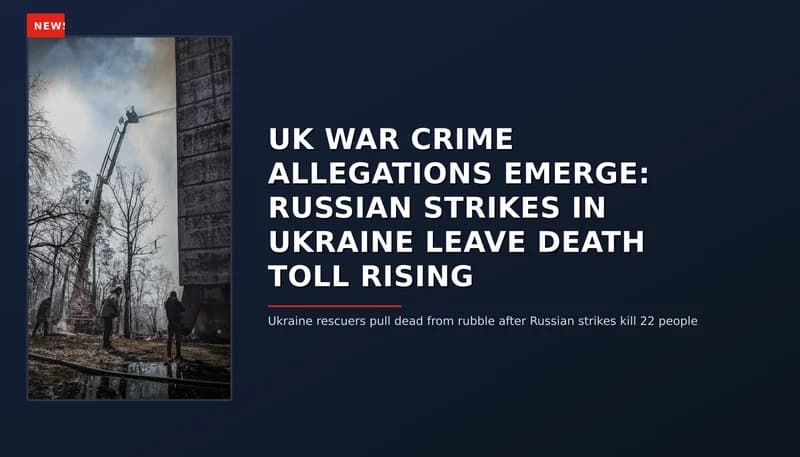
Uk War Crime Allegations Emerge: Russian Strikes In Ukraine Leave Death Toll Rising
2 June 2026 at 16:162 min read
Read More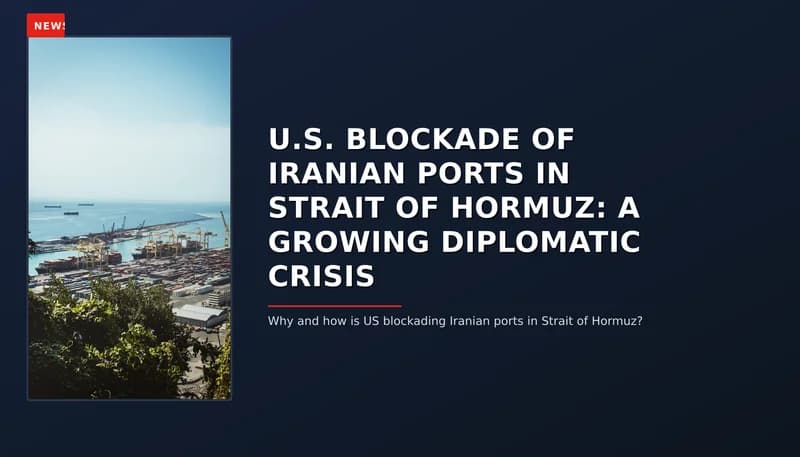
U.S. Blockade Of Iranian Ports In Strait Of Hormuz: A Growing Diplomatic Crisis
15 April 2026 at 14:022 min read
Read More
South West Water Fired £1.8 Million Fine For Parasite Outbreak In Devon: Public Health Crisis Averted?
2 June 2026 at 17:582 min read
Read MoreComments (0)
No comments yet. Be the first to share your thoughts!
Leave a Comment
Your email address will not be published. Comments are moderated before appearing.