
SCOTTISH PARLIAMENT BACKS INDEPENDENCE REFERENDUM: A NEW Chapter In The Debate Over Scotland's Future
The Scottish Parliament has voted to support the SNP's call for an independence referendum, marking a significant step in Scotland's constitutional debate.

The Scottish Parliament has voted to support the SNP's call for an independence referendum, reigniting the debate over Scotland's future relationship with the UK.
The Scottish Parliament has taken a significant step towards potentially ending its union with the rest of the United Kingdom by voting to back the SNP's proposal for an independence referendum. This move comes after years of political contention and follows a series of events that have deepened divisions over Scotland's constitutional future. According to recent reports, the vote was passed despite opposition from other political groups within the parliament, highlighting the ongoing tensions between federalism and separatism in Scottish politics.
The decision by the Scottish Parliament to endorse the SNP's referendum proposal marks a pivotal moment in Scotland's political landscape. While the exact timing and details of such a referendum remain uncertain, as noted in available sources, this endorsement signals a renewed commitment from the SNP to pursue independence. The vote has sparked reactions across the UK, with some viewing it as a bold move towards self-determination, while others express concerns about the implications for national unity and economic stability.
Historically, Scotland's relationship with the rest of the United Kingdom has been a contentious issue. From the 2014 independence referendum, which resulted in a narrow vote against secession, to the more recent debates surrounding Brexit and its impact on Scottish autonomy, the country has faced significant challenges in balancing its national identity with its place within the union. The SNP's push for another referendum reflects a broader shift in political sentiment, where many Scots feel that their voices are not adequately represented at the UK level.
The current move by the Scottish Parliament to support an independence referendum is not without precedent. In 2014, a similar vote was held, and while it ultimately did not lead to secession, it set a significant political precedent. This time around, however, the context has shifted dramatically due to recent developments in UK politics, including Brexit's aftermath and ongoing disputes over Scottish governance.
Read more: Government's Social Media Ban For Under-16s: Support From Streeting
It is important to note that the exact timing and specifics of any proposed referendum are still unclear. As per available sources, there is no concrete agreement on when or how such a vote would take place, which introduces an element of uncertainty into this developing situation. This lack of clarity has led to speculation among political analysts and citizens alike about the potential outcomes of such a move.
The SNP's proposal for another independence referendum has been met with mixed reactions both within Scotland and across the UK. Supporters argue that it is a necessary step towards ensuring Scottish self-determination, especially in light of perceived neglect by the UK government on issues crucial to Scotland. Critics, however, caution against rushing into another vote, pointing to unresolved economic challenges and potential disruptions to Scotland's international relations.
Looking ahead, the next few months are expected to be critical as the SNP works to outline the details of its referendum plan. The response from the UK government, as well as reactions from other political parties and the general public, will shape how this issue evolves. For now, it remains a defining topic in Scottish politics, with implications that extend far beyond its borders.
The vote by the Scottish Parliament to support an independence referendum underscores the enduring complexities of Scotland's constitutional identity. As debates over union and sovereignty continue to unfold, it is clear that this decision will have far-reaching consequences for both Scotland and the United Kingdom as a whole. The coming weeks and months will be crucial in determining how this chapter of history unfolds.
Read more: Greens Announce Makerfield By-Election Candidate: A Significant Move In The Run-Up To The Local Vote

More Stories
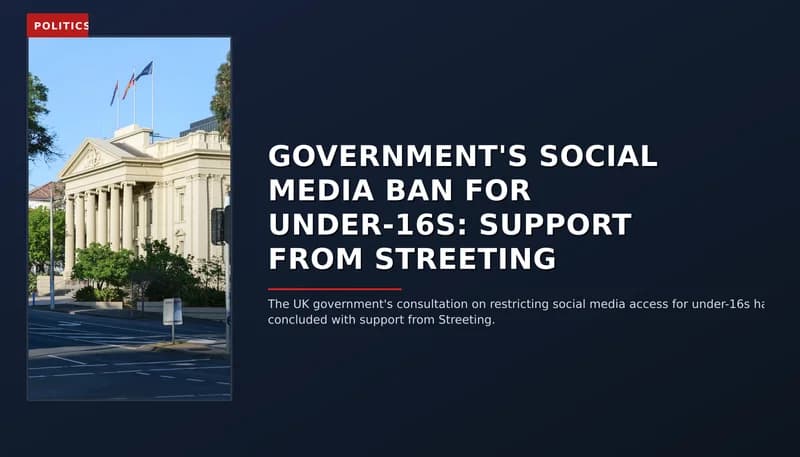
Government's Social Media Ban For Under-16s: Support From Streeting
26 May 2026 at 16:402 min read
Read More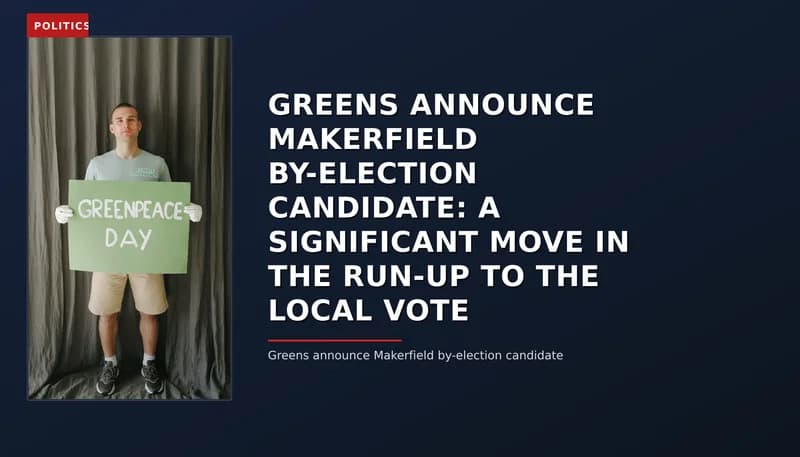
Greens Announce Makerfield By-Election Candidate: A Significant Move In The Run-Up To The Local Vote
26 May 2026 at 15:102 min read
Read More
Labour Leadership Contest Rules Explained: A Guide To The Process
26 May 2026 at 13:332 min read
Read MoreComments (0)
No comments yet. Be the first to share your thoughts!
Leave a Comment
Your email address will not be published. Comments are moderated before appearing.