High Court Judge Rebukes Birmingham City Council & Halts Emergency Civil Injunction Application Against Seven Flag Activists
High court slams Birmingham Council’s incomplete case & delays injunction involving flagging campaign group Raise The Colours.

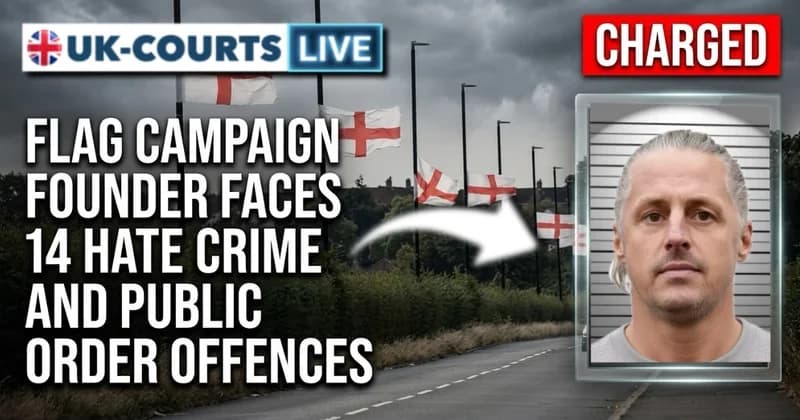
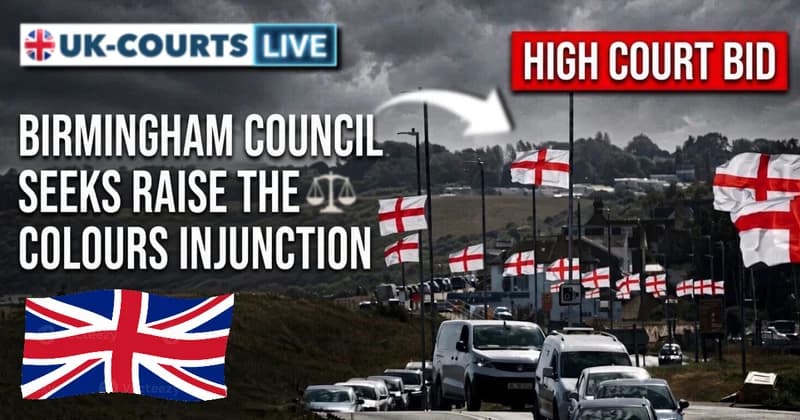
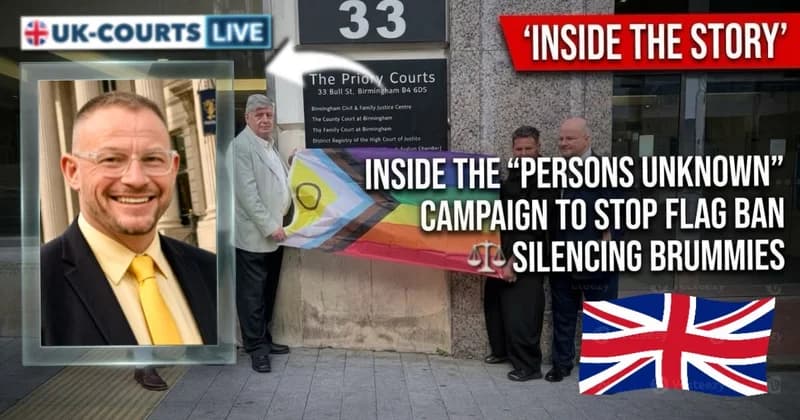
A High Court judge has halted an emergency application by Birmingham City Council seeking immediate civil restraints against seven men linked to street-flagging activities, rejecting claims of legal urgency and ruling that the local authority presented a structurally flawed case that threatened the defendants' rights to a fair trial.
Sitting at the High Court in Birmingham, HHJ Emma Kelly delivered a firm rebuke to the local authority, describing its legal filings as "troubling" and noting that because the conduct had been ongoing for months without escalation, there was no legal justification for granting an immediate interim order without due process.
Counsel for the local authority, Jonathan Manning, had submitted a bulk 281-page evidence bundle alleging that attaching unauthorised flags to public infrastructure constituted statutory highway offences and a public nuisance, maintaining the claim was clear enough to apply collectively to anyone participating in flagging operations across the city.
However, the court called out the council for failing to attribute specific acts to specific named individuals, holding that a claimant in civil equity cannot seek an intrusive order without setting out a precise, itemised case against each defendant to allow them a fair opportunity to respond.
HHJ Kelly ruled that the council’s generalised approach directly impaired the defendants' ability to understand the case against them, breaching fundamental protections under Section 10 of the Human Rights Act and failing to properly address individual European Convention on Human Rights Article 10 rights to freedom of expression.
The procedural unfairness and unworkability of a blanket order were further highlighted by the fragmented representation of the named defendants—ranging from two offering formal legal undertakings not to participate in future flagging, two absent due to work and holiday commitments, one disconnected from a virtual link and one declining to participate—leading the court to conclude that proceeding in their absence without clear, individualised evidence would cause material prejudice.
Stripping the local authority of its tactical momentum, HHJ Kelly adjourned the matter and issued strict directions requiring the council to completely overhaul its court filings.
Under the mandatory judicial order, Birmingham City Council has been given a 10-day deadline to serve an updated, itemised schedule detailing the exact civil allegations and dates for each named defendant, cross-referenced directly to supporting witness statements, alongside a revised skeleton argument justifying the legal necessity for a civil injunction.
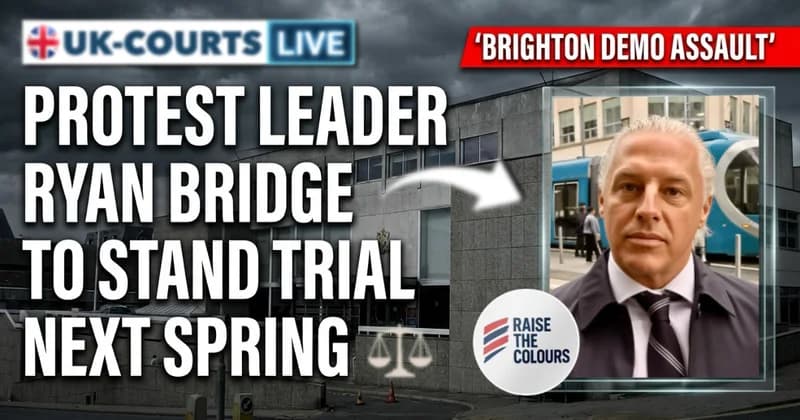
The seven named defendants—Ryan Bridge, Julian Keane, Elliot Stanley, Ross Childs, Billy Allison, Ben Cullen and Mark Keating—will then have until 22 September to review the restructured allegations and submit their formal written responses ahead of a full adjourned hearing on 30 September, where the court will reconvene to decide whether an interim order is legally justified under proper High Court scrutiny.