
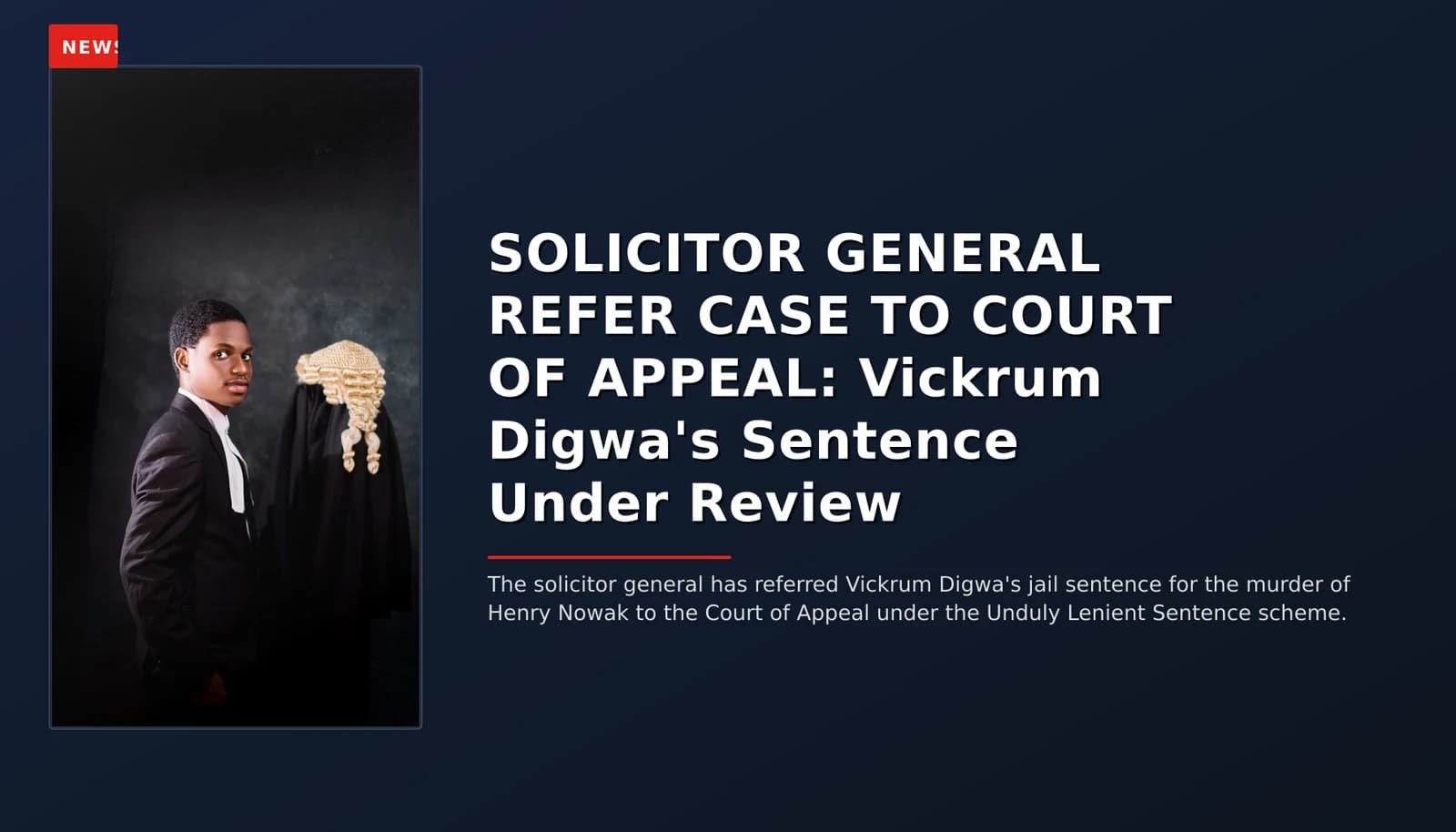
SOLICITOR GENERAL REFER CASE TO COURT OF APPEAL: Vickrum Digwa's Sentence Under Review
The Solicitor General has referred Vickrum Digwa's life sentence for murder to the Court of Appeal, sparking a debate on sentencing leniency.

The Solicitor General has referred Vickrum Digwa's life imprisonment sentence for the murder of Henry Nowak to the Court of Appeal, sparking debate over judicial leniency.
The Solicitor General has triggered a review of Vickrum Digwa's prison term under the Unduly Lenient Sentence scheme following his conviction for the murder of Henry Nowak. Sentenced to life with a minimum term of 21 years at Southampton Crown Court on June 1st by Judge William Mousley KC, Digwa's case is now before the Court of Appeal, raising questions about the severity of initial sentencing.
This decision comes as part of legal mechanisms designed to assess whether sentences handed down in criminal cases are proportionate and just. The Unduly Lenient Sentence scheme allows the Solicitor General to refer cases where it is believed that the sentence imposed does not reflect the seriousness of the offence committed.
Henry Nowak's murder has deeply troubled the community, prompting calls for justice from his family and supporters. Digwa was found guilty after a trial at Southampton Crown Court, with Judge Mousley KC imposing a life sentence reflecting the gravity of the crime. However, concerns have been raised about whether 21 years as a minimum term is sufficient in this case.
Legal experts note that such referrals are rare but serve to ensure public confidence in the judicial system. The Solicitor General's office must be satisfied that there are grounds for believing the sentence was unduly lenient before initiating an appeal. This step indicates a thorough evaluation of Digwa's case, highlighting potential issues with sentencing disparity.
Read more: After the Aftermath: Supreme Court Ruling Shakes Pronouns
The Court of Appeal will now consider whether to uphold, reduce, or increase the severity of Digwa's sentence. While the process is independent, the referral itself underscores concerns about the original court's decision. Public interest in the case has been high, with local and national media covering developments extensively.
This move follows a broader trend of scrutiny over sentencing practices in the UK. Advocacy groups and legal professionals often debate how to balance retribution with rehabilitation, ensuring that sentences both punish and deter while addressing the root causes of crime. Cases like Digwa's often spark discussions on justice, vengeance, and societal responsibility.
For Henry Nowak's family, this review represents a continuation of their quest for closure and accountability. They have consistently called for justice since their loved one's tragic death, seeking assurance that the legal system will deliver a sentence they believe is fitting for such a heinous crime.
Legal analysts predict that the Court of Appeal's decision could set a precedent for similar cases, influencing future sentencing guidelines. The outcome may also prompt a review of how the Unduly Lenient Sentence scheme is applied in other high-profile cases, ensuring consistency and fairness across the judiciary.

More Stories
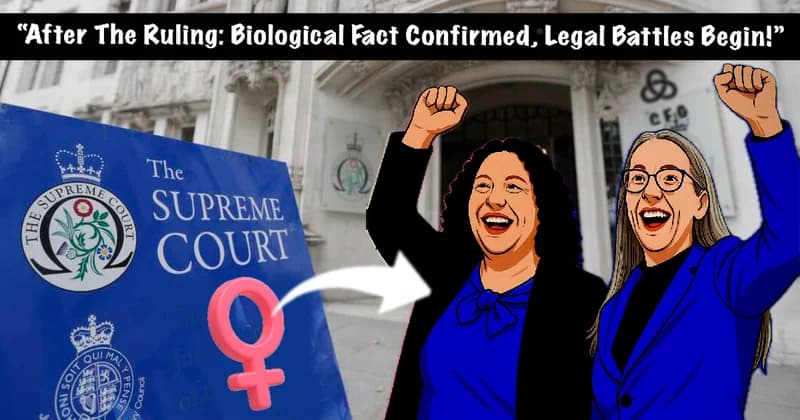
After the Aftermath: Supreme Court Ruling Shakes Pronouns
27 April 2025 at 16:0010 min read
Read More
PM'S OFFICE INVESTIGATES Vance's MIGRATION LINKS TO NOWAK MURDER: Scrutiny Over Controversial Comments
6 June 2026 at 21:531 min read
Read More
Diplomats Turn To Twitter: Us Envoys Communicate On Henry Nowak Murder Case
5 June 2026 at 18:522 min read
Read MoreComments (0)
No comments yet. Be the first to share your thoughts!
Leave a Comment
Your email address will not be published. Comments are moderated before appearing.