
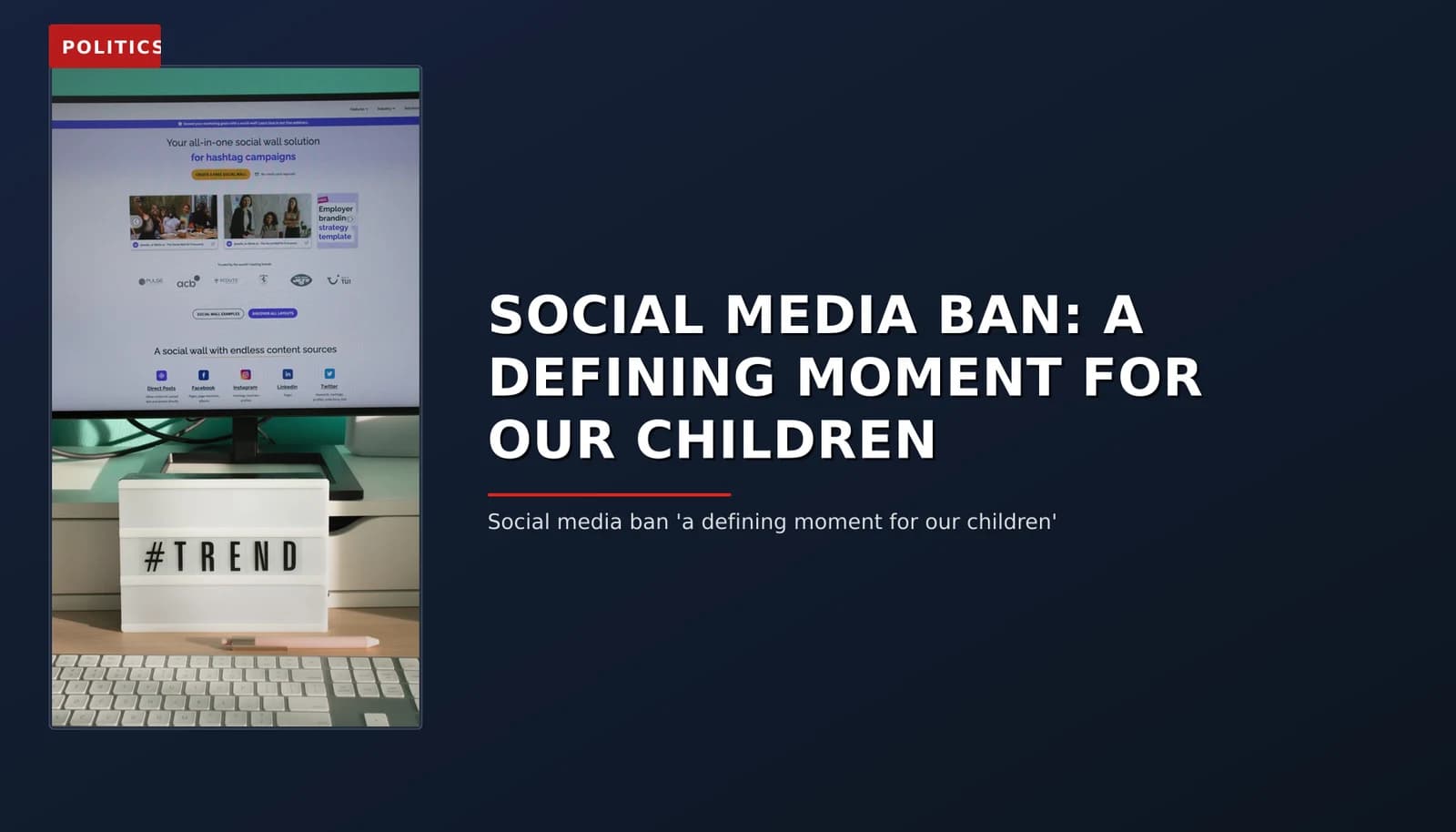
Social Media Ban: A Defining Moment For Our Children
The UK government is set to ban social media for under-18s, a move described as 'a defining moment for our children' aimed at protecting their mental health and well-being.

The UK government's social media ban for under-18s is seen as a landmark decision to protect children's well-being.
In a significant move aimed at safeguarding the mental health and well-being of young people, the UK government has announced a comprehensive ban on social media platforms for those under the age of 18. This decision follows growing concerns among experts and parents about the impact of excessive screen time and cyberbullying on children's development. The proposed legislation, which is currently in its draft stage, seeks to restrict access to all major social networking sites, including Facebook, Instagram, and TikTok, for minors. While the exact implementation details are yet to be finalized, the announcement has sparked a heated debate across the nation.
The move has been described as 'a defining moment for our children' by several child welfare advocates. According to recent reports, social media usage among teenagers has surged in the past decade, leading to increased instances of anxiety, depression, and low self-esteem. A study published last year found that children who spend excessive time on these platforms are more likely to experience cyberbullying and body image issues. The ban is part of a broader strategy by the government to create a safer digital environment for young people.
Critics, however, argue that such a blanket ban may not be the most effective solution. Some experts suggest that instead of outright prohibition, a more nuanced approach—such as limiting screen time or providing age-appropriate content—could yield better results without infringing on children's rights to information and expression. The government has yet to respond to these concerns but has emphasized its commitment to protecting minors from harmful online influences.
The proposed ban is not the first attempt by the UK to regulate social media for young users. Earlier this year, stricter age-verification measures were introduced to prevent under-13s from accessing certain platforms without parental consent. These new regulations require companies to verify users' ages and implement safeguards to protect minors from exposure to inappropriate content.
Read more: Assisted Dying Bill Resumes Debate: Parliament Faces Crucial Decision
Public opinion on the ban is divided. A recent survey showed that 60% of parents support the measure, while 35% believe it infringes on their children's freedom to explore the internet. Advocacy groups for digital rights have also expressed concerns about the potential chilling effect on free speech and innovation. As the debate continues, the government is expected to consult with stakeholders to refine the policy.
The implications of this decision extend beyond individual cases. If implemented, it could set a precedent for other countries grappling with the challenges of regulating social media for minors. International experts are closely monitoring the UK's approach, hoping it will provide valuable insights into balancing online safety and digital freedom.
In the coming weeks, the government plans to introduce the draft legislation in Parliament for审议. The move has already drawn strong reactions from both sides of the political spectrum. While some lawmakers praise the initiative as a much-needed step to protect vulnerable children, others argue that it is an overreach of state authority and may have unintended consequences.
As the debate intensifies, key questions remain unanswered. How will enforcement be carried out? What penalties will companies face if they fail to comply with the new regulations? And how will this affect children's access to educational resources and online communities? The government has promised to provide more details in the upcoming months.
Read more: Labour Mps Urge Starmer To Set Male Teacher Targets: Call For Gender Balance In Education
The social media ban for under-18s is undeniably a complex issue that touches on privacy, freedom of expression, and public safety. While the intention behind the policy is noble, its execution will require careful consideration to ensure it does not inadvertently harm the very group it aims to protect.

More Stories
Assisted Dying Bill Resumes Debate: Parliament Faces Crucial Decision
15 June 2026 at 15:542 min read
Read More
Labour Mps Urge Starmer To Set Male Teacher Targets: Call For Gender Balance In Education
15 June 2026 at 13:353 min read
Read More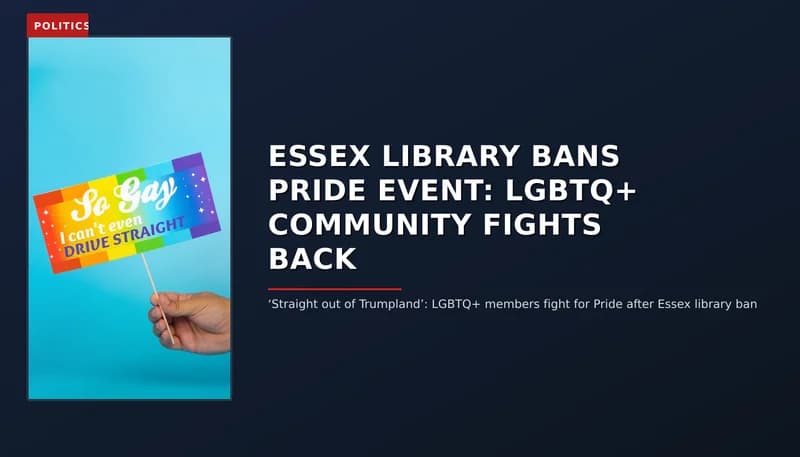
Essex Library Bans Pride Event: Lgbtq+ Community Fights Back
15 June 2026 at 11:193 min read
Read MoreComments (0)
No comments yet. Be the first to share your thoughts!
Leave a Comment
Your email address will not be published. Comments are moderated before appearing.