
ISRAEL'S BUFFER ZONE IN SOUTHERN LEBANON: A PRECARIOUS NEW REALITY
Israel's announcement to establish a buffer zone in southern Lebanon signals a significant shift in regional security dynamics, with potential implications for stability in the Middle East.

Israel's announcement to establish a buffer zone in southern Lebanon marks a significant shift in regional dynamics.
In a move that has sparked international attention, Israel has declared its intent to assert control over a substantial buffer zone in southern Lebanon. This decision follows months of diplomatic manoeuvring and military posturing, reflecting the complex security landscape in the region. According to sources from the Israel Ministry of Defence and regional analysts, this buffer zone is intended to create a demilitarised area aimed at preventing Hezbollah attacks on Israeli territory.
The proposed buffer zone's exact boundaries and operational framework are yet to be fully defined, with officials stating that discussions are ongoing. This lack of clarity has raised concerns among neighbouring countries and international observers, who fear the potential for escalation. The move comes amid heightened tensions between Israel and Lebanon, particularly regarding Hezbollah's presence in southern regions.
Historically, buffer zones have been established to reduce conflict between hostile parties by creating a no-man's land where military operations are restricted. However, their effectiveness often hinges on the cooperation of all concerned nations and groups. In this case, Hezbollah has already expressed strong opposition to the plan, viewing it as an infringement on Lebanese sovereignty.
The timing of this announcement is significant, occurring at a moment when regional stability is increasingly precarious. Analysts suggest that Israel's move may be linked to broader strategic shifts in the Middle East, including the ongoing conflict in Syria and shifting alliances with regional powers. The international community has called for diplomacy to prevent the situation from deteriorating further.
Diplomatic efforts are under way to mediate between Israel and Lebanon, with UN intermediaries engaging both parties. However, the prospects for a swift resolution remain uncertain, given deep-seated mistrust and divergent objectives. International actors, including the United States and European Union, have expressed cautious optimism about these talks but stress the need for concrete steps towards de-escalation.
In the short term, the focus will be on how both Israel and Lebanon respond to this development. The establishment of such a buffer zone could set a precedent for future regional security arrangements, though its long-term impact remains to be seen. Observers will be closely monitoring developments in the coming weeks as tensions continue to simmer.
Ultimately, this move underscores the delicate balance of power in the Middle East and highlights the challenges of achieving lasting peace in the region. As both sides navigate this new reality, the potential for further conflict looms large, underscoring the importance of sustained international engagement.
More Stories
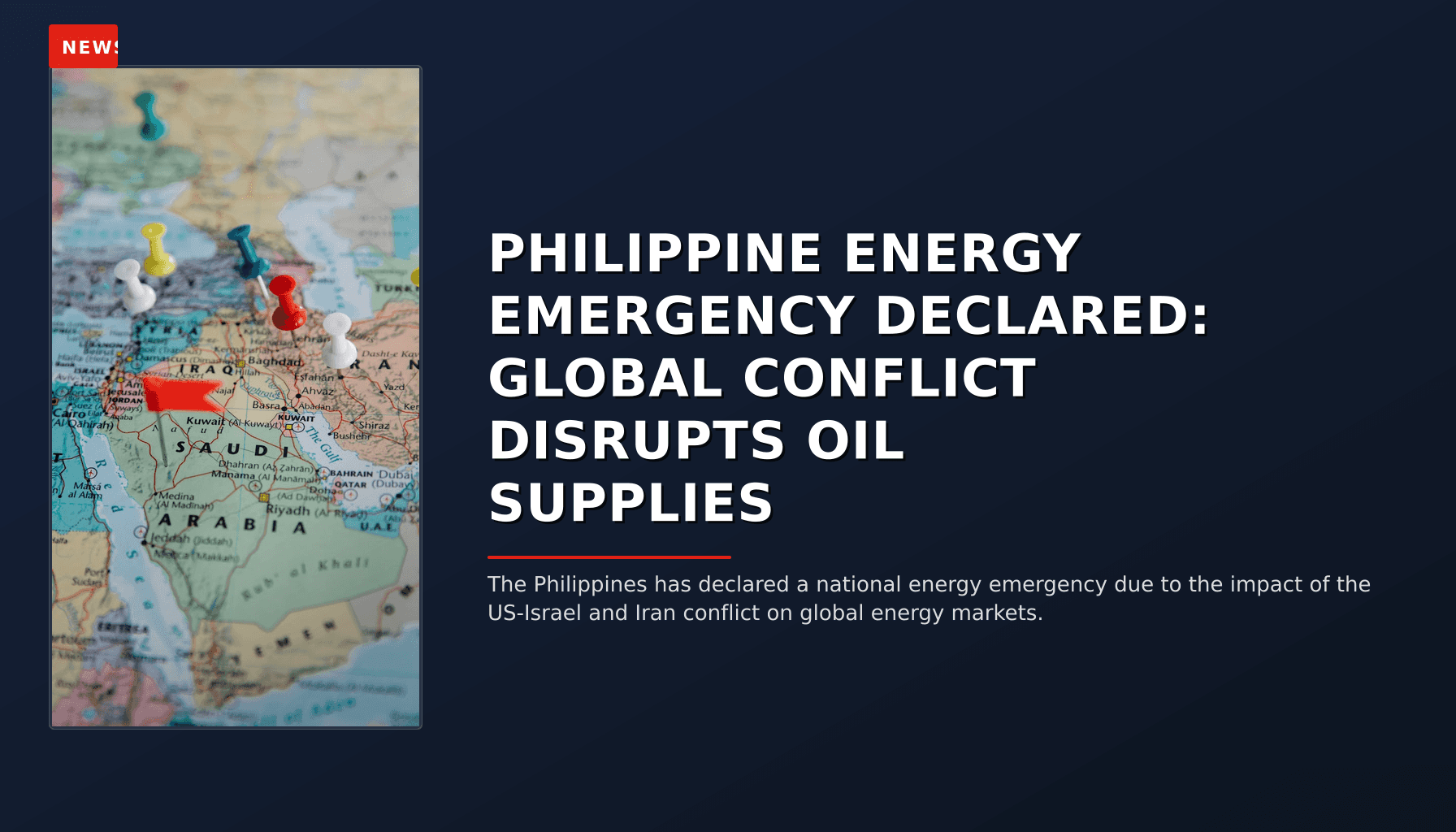
PHILIPPINE ENERGY EMERGENCY DECLARED: GLOBAL CONFLICT DISRUPTS OIL SUPPLIES
24 March 2026 at 15:112 min read
Read More
OIL PRICES EXCEED $100 A BARREL: FIRST TIME IN FOUR YEARS
9 March 2026 at 00:472 min read
Read More
DEATH OUTSIDE GLASGOW'S FIRST DRUG FACILITY: INVESTIGATION ONGOING
8 March 2026 at 14:342 min read
Read More
Comments (0)
No comments yet. Be the first to share your thoughts!
Leave a Comment
Your email address will not be published. Comments are moderated before appearing.