
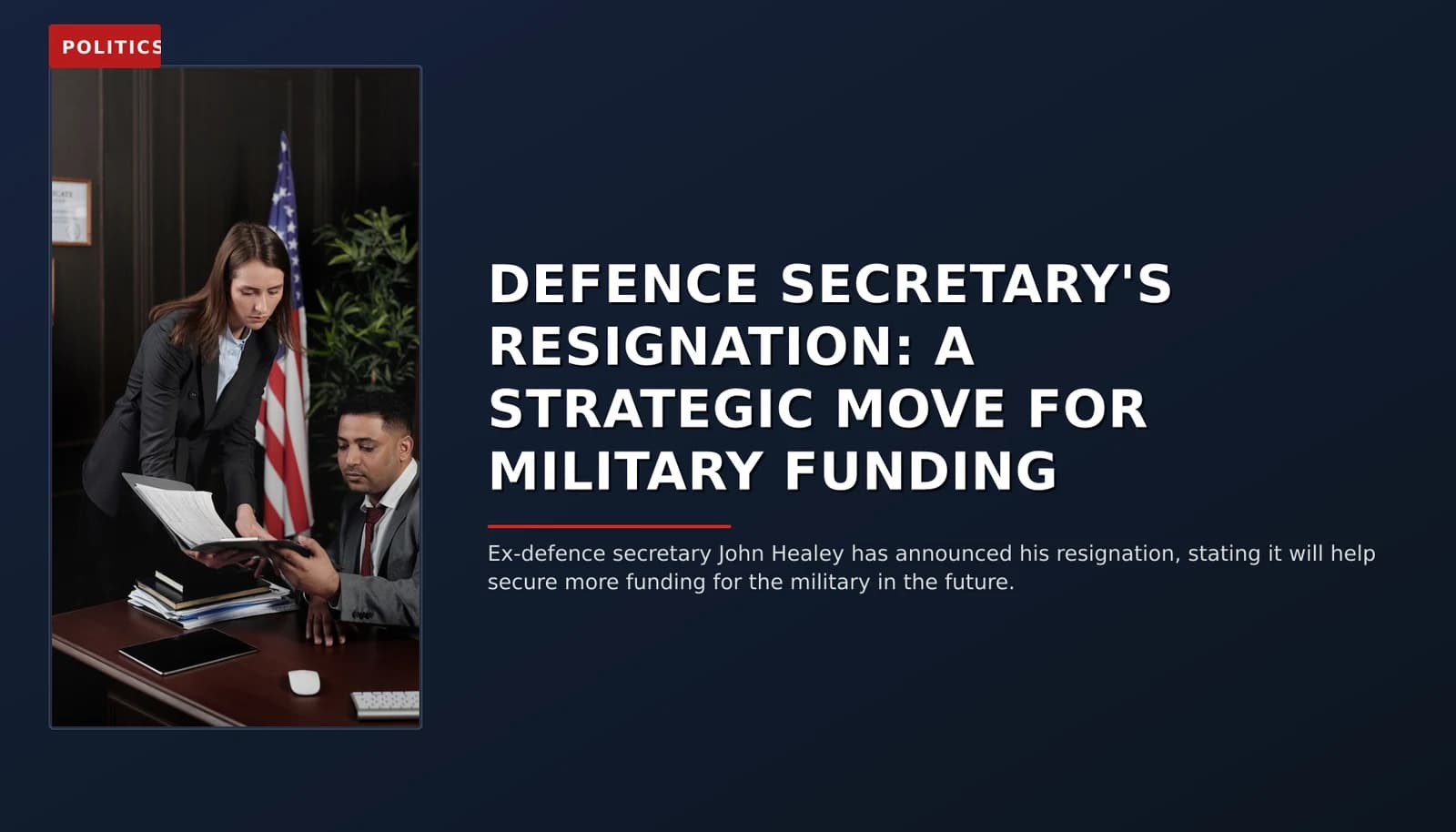
Defence Secretary's Resignation: A Strategic Move For Military Funding
Ex-defence secretary John Healey resigns, claiming it will secure more military funding in the future. His move has sparked debate and raised questions about its impact on national security.

Ex-defence secretary John Healey resigns, claiming it will secure more military funding in the future.
In a surprising move that has sparked considerable debate within political circles, former defence secretary John Healey has announced his resignation. The decision comes as part of an effort to pave the way for increased military funding, according to sources close to the matter.
It is understood that Mr. Healey's departure is strategically timed to create a vacuum in the defence portfolio, which he hopes will lead to greater emphasis and consequently more resources allocated to the armed forces. This approach appears to be a calculated gamble, given the current political climate.
Mr. Healey’s claim that his resignation will ensure increased military funding is supported by several sources, though some analysts remain sceptical about the direct correlation between leadership changes and budgetary allocations. The move has been met with mixed reactions from both within the government and among defence experts.
The former defence secretary’s decision to step down is part of a broader strategy he outlined during his tenure, which included advocating for significant upgrades in military technology and capabilities. His reasoning suggests a belief that fresh leadership could more effectively push for the necessary financial commitments.
Read more: JO COX'S MURDER MARKS A DECADE: Reflections on a Tragic Moment in UK Politics
While there is no concrete evidence yet linking his resignation to an immediate increase in defence spending, Mr. Healey has been a vocal proponent of modernising the armed forces. His departure raises questions about who will replace him and whether they will carry forward his vision with the same vigour.
The timing of this resignation also comes under scrutiny, as it coincides with ongoing debates about national security priorities. Observers are closely watching to see how the government responds to this change in leadership and whether it translates into tangible outcomes for the military.
In a statement, sources indicated that Mr. Healey believes his exit will allow him to campaign more effectively for increased defence funding outside of his former role. This strategy is not without precedent, as past political figures have used similar tactics to influence policy changes from behind the scenes.
Analysts suggest that Mr. Healey’s approach may test the waters of how much public and political support exists for stronger military spending. If successful, it could set a precedent for other ministers considering similar moves in pursuit of specific policy goals.
Read more: Prime Minister's Property Torched: Two Men Convicted In Arson Plot
The outcome of this strategy will be closely monitored by defence officials, policymakers, and the general public. Whether increased funding materialises remains to be seen, but Mr. Healey’s decision has undeniably added a new layer of complexity to the ongoing discussions about national security.

More Stories
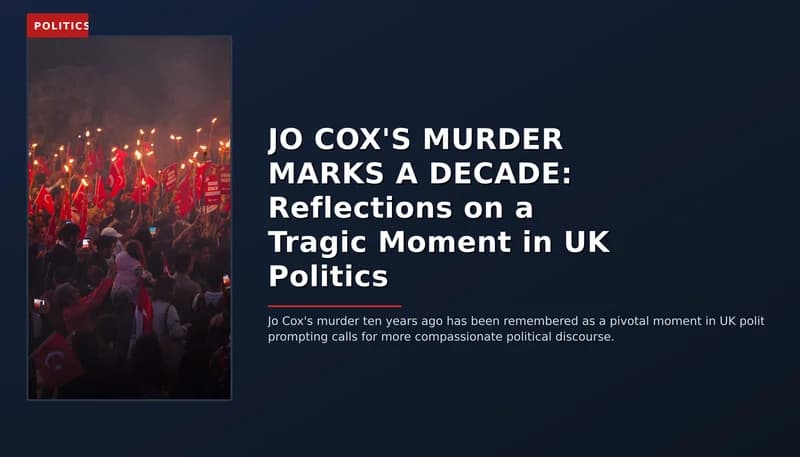
JO COX'S MURDER MARKS A DECADE: Reflections on a Tragic Moment in UK Politics
16 June 2026 at 12:332 min read
Read More
Prime Minister's Property Torched: Two Men Convicted In Arson Plot
16 June 2026 at 11:583 min read
Read More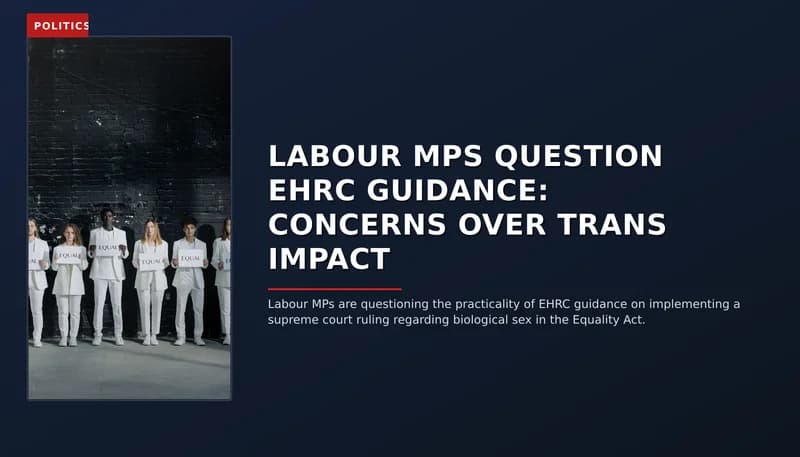
Labour Mps Question Ehrc Guidance: Concerns Over Trans Impact
16 June 2026 at 11:052 min read
Read MoreComments (0)
No comments yet. Be the first to share your thoughts!
Leave a Comment
Your email address will not be published. Comments are moderated before appearing.