
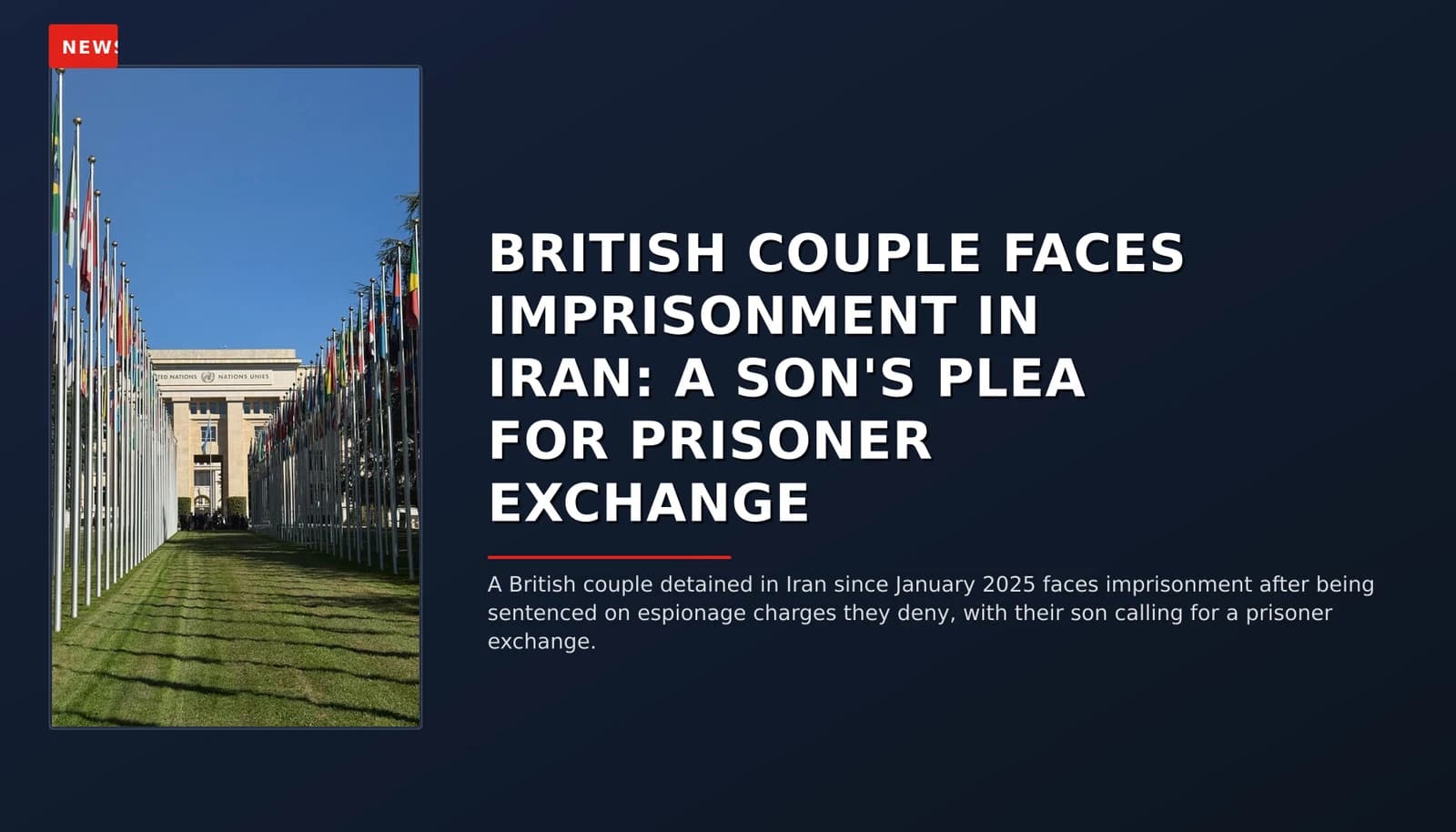
British Couple Faces Imprisonment In Iran: A Son's Plea For Prisoner Exchange
British couple faces imprisonment in Iran after espionage charges; son calls for prisoner exchange amid diplomatic tensions.

A British couple detained in Iran since January 2025 faces imprisonment after being sentenced on espionage charges they deny, with their son calling for a prisoner exchange.
The case of Craig and Lindsay Foreman has drawn growing international attention as they approach the final stages of their legal ordeal in Iran. The British nationals were detained nearly a year ago and have since been sentenced to 10 years' imprisonment on charges they vehemently deny. Their situation has sparked calls for intervention, particularly from their son, Joe Bennett, who has pleaded for a prisoner exchange with an Iranian national held in the UK. Despite these efforts, the Foreign Office has dismissed such proposals as 'having no truth', adding a layer of complexity to an already delicate diplomatic scenario.
The Foremans' journey into detention began in January 2025 when they were arrested and subsequently charged with espionage. The allegations, which they categorically reject, have led to their prolonged stay in Iranian custody. Their trial and subsequent sentencing have been marked by concerns over the fairness of proceedings, with critics arguing that such cases often serve political rather than judicial ends. Richard Ratcliffe, whose wife was detained in Iran a decade ago, echoed these sentiments, describing the legal process as opaque and likely used as a tool for exerting pressure.
Joe Bennett's public appeal for a prisoner swap has resonated with advocates of diplomatic solutions to resolve such impasses. He has proposed releasing an Iranian national detained in the UK in exchange for his parents' freedom. However, both the Foreign Office and Deputy Prime Minister David Lammy have expressed skepticism towards such arrangements. Lammy questioned their credibility, while the Foreign Office's outright dismissal underscores the challenges inherent in negotiating with Iran over sensitive issues.
The case highlights the ongoing tensions between the UK and Iran, which have been exacerbated by historical disputes and recent diplomatic spats. The UK government has consistently maintained a stance against direct engagement on prisoner exchanges without concrete evidence or clear pathways for negotiation. This approach is particularly evident in the Foreign Office's response to Bennett's plea, which was deemed 'without merit' by officials.
Read more: Starmer's Leadership Future Hangs As Burnham Looms Large
The legal proceedings in Iran have also raised eyebrows among international observers and human rights groups. The lack of transparency in the judicial process has led many to question the impartiality of the trials and the treatment of foreign nationals detained there. Richard Ratcliffe's criticism of the opaque legal system underscores broader concerns about the fairness of such cases, which are often seen as tools for political leverage rather than genuine justice.
In the meantime, the Foreign, Commonwealth, and Development Office (FCDO) has issued fresh warnings to British citizens considering travel to Iran. The advisory highlights the significant risks of arrest or detention, urging caution and awareness of the legal and security challenges faced by those in the country. This最新 advice comes as a stark reminder of the perils associated with visiting Iran, especially for dual nationals or those involved in activities that could be deemed sensitive by Iranian authorities.
Looking ahead, the Foremans' case is likely to remain a focal point of diplomatic discussions between the UK and Iran. While the Foreign Office has ruled out immediate prisoner swaps, ongoing appeals and international pressure may yet bring about a resolution. Advocacy groups continue to call for transparency and justice in their case, emphasizing the importance of upholding human rights in all dealings with foreign nationals detained abroad.
The situation underscores the precarious position faced by British nationals in Iran and the complex dynamics of international diplomacy. As the Foremans navigate their legal challenges, their family and supporters remain hopeful that a resolution can be reached before their 10-year sentences are fully imposed. The case serves as a poignant reminder of the risks associated with traveling to countries with which one's home nation has strained relations.
Read more: Rachel Reeves: The Quiet Manager Of Britain's Economic Balancing Act

More Stories
Starmer's Leadership Future Hangs As Burnham Looms Large
7 June 2026 at 14:262 min read
Read More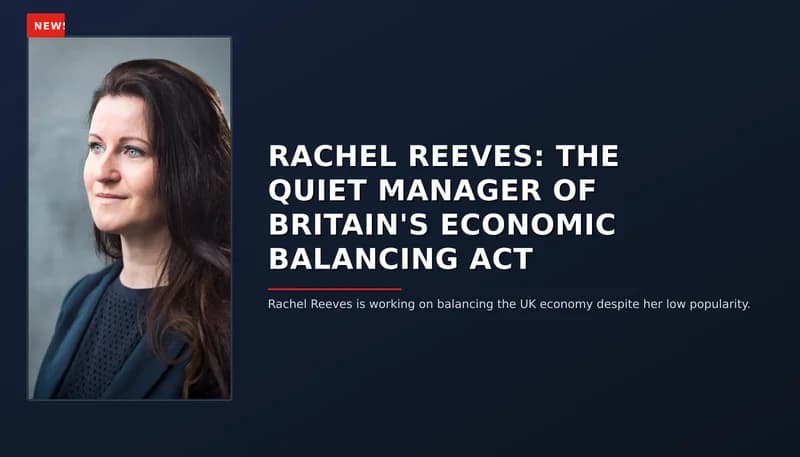
Rachel Reeves: The Quiet Manager Of Britain's Economic Balancing Act
7 June 2026 at 12:471 min read
Read More
Labour's Attitude Toward Send Schools: A Crisis In Education
7 June 2026 at 12:292 min read
Read MoreComments (0)
No comments yet. Be the first to share your thoughts!
Leave a Comment
Your email address will not be published. Comments are moderated before appearing.