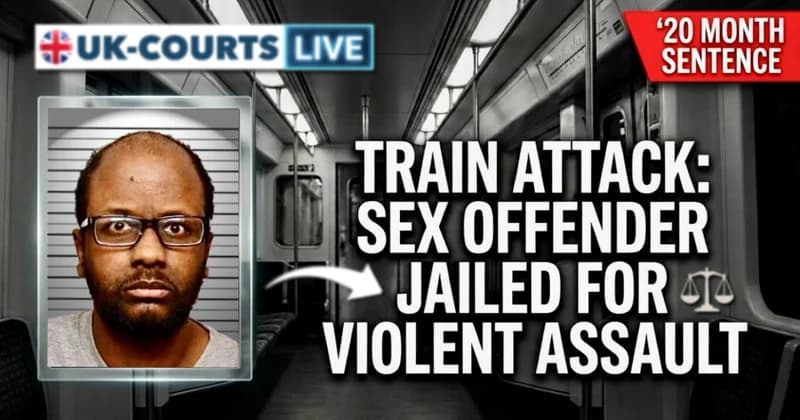
“Two-Tier Justice in Plain Sight!”
“Two-Tier Justice in Plain Sight!” The Perils of a Two-Tier Justice System: Analysing the Sentencing Council’s New GuidelinesThe Perils of a Two-Tier Justice System: Analysing the Sentencing Council’s New Guidelines By Jason KingBy Jason King In this op ed I am going to be discussing the...

“Two-Tier Justice in Plain Sight!”
The Perils of a Two-Tier Justice System: Analysing the Sentencing Council’s New GuidelinesThe Perils of a Two-Tier Justice System: Analysing the Sentencing Council’s New Guidelines
By Jason KingBy Jason King
In this op ed I am going to be discussing the recenttwo-tiertwo-tierand possiblydiscriminatorydiscriminatoryguidelines about to be introduced by theSentencing CouncilSentencing Councilon the 1st April.
In hallowed halls of British justice, the principle ofequality before the lawequality before the lawhas long stood as a cornerstone of our legal system. This foundational tenet, enshrined in the scales held by Lady Justice, ensures that every individual, irrespective of background, stands equal before the law. However, the recentSentencing Council’s guidelinesSentencing Council’s guidelinesSentencing Council’s guidelinesthreaten to tip these scales, ushering in atwo-tier justice systemtwo-tier justice systemthat discriminates against certain demographics, notablywhite working-class maleswhite working-class males.
Understanding the New GuidelinesUnderstanding the New Guidelines
TheSentencing Council’s updated guidelinesSentencing Council’s updated guidelines, set to be implemented inApril 2025April 2025, recommend that courts commissionpre-sentence reports (PSRs)pre-sentence reports (PSRs)for specific groups of offenders. These groups include individuals fromethnic, cultural, or faith minoritiesethnic, cultural, or faith minorities; young adults aged18-2518-25; females;pregnant or post-natal individualspregnant or post-natal individuals; primary carers for dependents; thoseidentifying as transgenderidentifying as transgender; individuals with addiction issues; those withserious medical conditions or disabilitiesserious medical conditions or disabilities; and individuals who may have been victims ofabuse, modern slavery, or exploitationabuse, modern slavery, or exploitation.
These guidelines are presented as aprogressive stepprogressive steptowards addressingsystemic biasessystemic biasesand ensuring that sentencing takes into account theunique circumstancesunique circumstancesof offenders. However, a deeper examination reveals aconcerning exclusionconcerning exclusion:white working-class maleswhite working-class maleswho do not fall into any of the aforementioned categories areeffectively barredeffectively barredfrom the potential benefits of PSRs.
The Rationale Behind These ChangesThe Rationale Behind These Changes
The Sentencing Council’s changes are driven bytwo primary factorstwo primary factors: theprison overcrowding crisisprison overcrowding crisisand thelegacy of the David Lammy Reviewlegacy of the David Lammy Review.
Easing Prison Overcrowding Through Community SentencesEasing Prison Overcrowding Through Community Sentences
The UK’sprison system is at breaking pointprison system is at breaking point, with record levels of overcrowding forcing the government to release offenders early. To ease this burden, courts areincreasingly encouragedincreasingly encouragedto issuecommunity sentencescommunity sentencesinstead of custodial sentences where possible.
However, while increased use of PSRs may be necessary to reduce the numbers of people being given custodial sentences,innovative solutionsinnovative solutionssuch asvirtual prison sentencesvirtual prison sentencesvirtual prison sentencescould offera more balanced approach to the prison capacity crisisa more balanced approach to the prison capacity crisis, but have now been sidelined by the Labour government.
The Influence of the David Lammy Review and Identity-Based SentencingThe Influence of the David Lammy Review and Identity-Based Sentencing
The second key influence behind these guidelines is the2017 Lammy Review2017 Lammy Review, officially titledThe Lammy Review: An Independent Review into the Treatment of, and Outcomes for, Black, Asian and Minority Ethnic Individuals in the Criminal Justice SystemThe Lammy Review: An Independent Review into the Treatment of, and Outcomes for, Black, Asian and Minority Ethnic Individuals in the Criminal Justice System.
This report concluded thatBAME individualsBAME individualsfaced“overt discrimination” and systemic bias“overt discrimination” and systemic bias, and argued that judges often failed to understand thesocio-economic and cultural contextssocio-economic and cultural contextsof minority defendants.
TheLammy Review’s conclusionsLammy Review’s conclusionshave strongly influenced subsequent judicial policies, including theEqual Treatment Bench Book (2018)Equal Treatment Bench Book (2018), whichpromoted identity-based sentencing considerationspromoted identity-based sentencing considerations. TheSentencing Council’s latest guidelinesSentencing Council’s latest guidelinesare a continuation of this trend, prioritisingcertain demographicscertain demographicsbased on past concerns overracial disparitiesracial disparities—yet in doing so, they introducenew disparities of their own,new disparities of their own,and this decision was certainly very influenced by
The Implications of Selective PSRsThe Implications of Selective PSRs
Pre-sentence reports (PSRs)Pre-sentence reports (PSRs)are instrumental in providingjudges and magistratesjudges and magistrateswith insights into an offender’sbackground, personal circumstances, and the contextbackground, personal circumstances, and the contextof their offense. This information can influence sentencing decisions, potentially leading tocommunity orderscommunity ordersorsuspended sentencessuspended sentencesinstead of custodial sentences.
By limiting PSR recommendations tospecific groupsspecific groups, theSentencing CouncilSentencing Councilhas effectivelycreated a hierarchy of offenderscreated a hierarchy of offenders—where certain individualsreceive leniencyreceive leniencybased on characteristicsunrelated to the crime itselfunrelated to the crime itself. This undermines the principle ofuniversal justiceuniversal justiceand suggests thatsome offenderssome offendersare more deserving ofjudicial considerationjudicial considerationthan others.
A Blatant Form of DiscriminationA Blatant Form of Discrimination
Theexclusion of white working-class malesexclusion of white working-class malesfrom the recommended PSR considerations is not just an oversight; it is ablatant form of discriminationblatant form of discrimination. Bycategorically denyingcategorically denyingthis group the same opportunities forindividualized sentencing considerationsindividualized sentencing considerations, the guidelinesperpetuate a systemperpetuate a systemwhere justice is no longerblindblind, but is insteadpeering through a lens of biaspeering through a lens of bias.
As legal scholarA.V. DiceyA.V. Diceyarticulated inIntroduction to the Study of the Law of the ConstitutionIntroduction to the Study of the Law of the Constitution, therule of lawrule of lawrequires“the equal subjection of all classes to the ordinary law of the land.”“the equal subjection of all classes to the ordinary law of the land.”Yet the new guidelinescontradict this principlecontradict this principle, introducingpreferential treatmentpreferential treatmentbased on identity rather thanthe nature of the offensethe nature of the offense.
Governmental Opposition and Legal RamificationsGovernmental Opposition and Legal Ramifications
The guidelines have not goneunchallengedunchallenged.Justice Secretary Shabana MahmoodJustice Secretary Shabana Mahmoodhas condemned the proposals, stating:
Her statement signals apotential legal battlepotential legal battle, withShadow Justice Secretary Robert JenrickShadow Justice Secretary Robert Jenrickeven threatening ajudicial reviewjudicial reviewif the guidelines proceed. If implemented, these policies could facesignificant legal challengessignificant legal challengesover theirinherent discriminationinherent discriminationand potentialviolation of the Equality Act 2010violation of the Equality Act 2010.
The Slippery Slope of Identity-Based SentencingThe Slippery Slope of Identity-Based Sentencing
The introduction ofidentity-based considerationsidentity-based considerationsin sentencing sets adangerous precedentdangerous precedent. While the intention may be tocorrect past injusticescorrect past injustices, theexecutionexecutionof such policies must be handled withutmost cautionutmost cautionto avoidreverse discriminationreverse discrimination.
Legal philosopherH.L.A. HartH.L.A. Hart, inThe Concept of LawThe Concept of Law, emphasized the importance oftreating like cases aliketreating like cases alike. Yet by introducingextraneous factorsextraneous factorssuch asethnicity and genderethnicity and genderinto sentencing decisions, theSentencing CouncilSentencing Councilis undermining thevery legitimacyvery legitimacyof the legal system.
Conclusion: Upholding True Equality Before the LawConclusion: Upholding True Equality Before the Law
TheSentencing Council’s new guidelinesSentencing Council’s new guidelinesrepresent adeeply flawed attemptdeeply flawed attemptat achievingjustice reformjustice reform. While addressingprison overcrowdingprison overcrowdingandracial disparitiesracial disparitiesis important, the method chosen—selective leniency for certain groupsselective leniency for certain groups—risksentrenching new inequalitiesentrenching new inequalitiesrather thanresolving old onesresolving old ones.
Justice must beblindblind, and sentencing decisions should bebased on the crimebased on the crime, notthe identity of the offenderthe identity of the offender. If the UK’slegal systemlegal systemis to maintainpublic confidencepublic confidence, it mustrejectrejectpolicies that divide offenders intofavoured and disfavoured groupsfavoured and disfavoured groups.
At its core, the principle ofuniversal justiceuniversal justiceis not about selectivelycorrecting past injusticescorrecting past injustices—it is about ensuring thatthe laws of the land apply equally to allthe laws of the land apply equally to all. If the Sentencing Council’s guidelines go aheadunchallengedunchallenged, they risk eroding the very foundation of theBritish justice systemBritish justice system.
Jason KingJason King
EditorEditor
City-Desk VPN BirminghamCity-Desk VPN Birmingham
Twitter (X) @JasonKingNewsTwitter (X) @JasonKingNews