
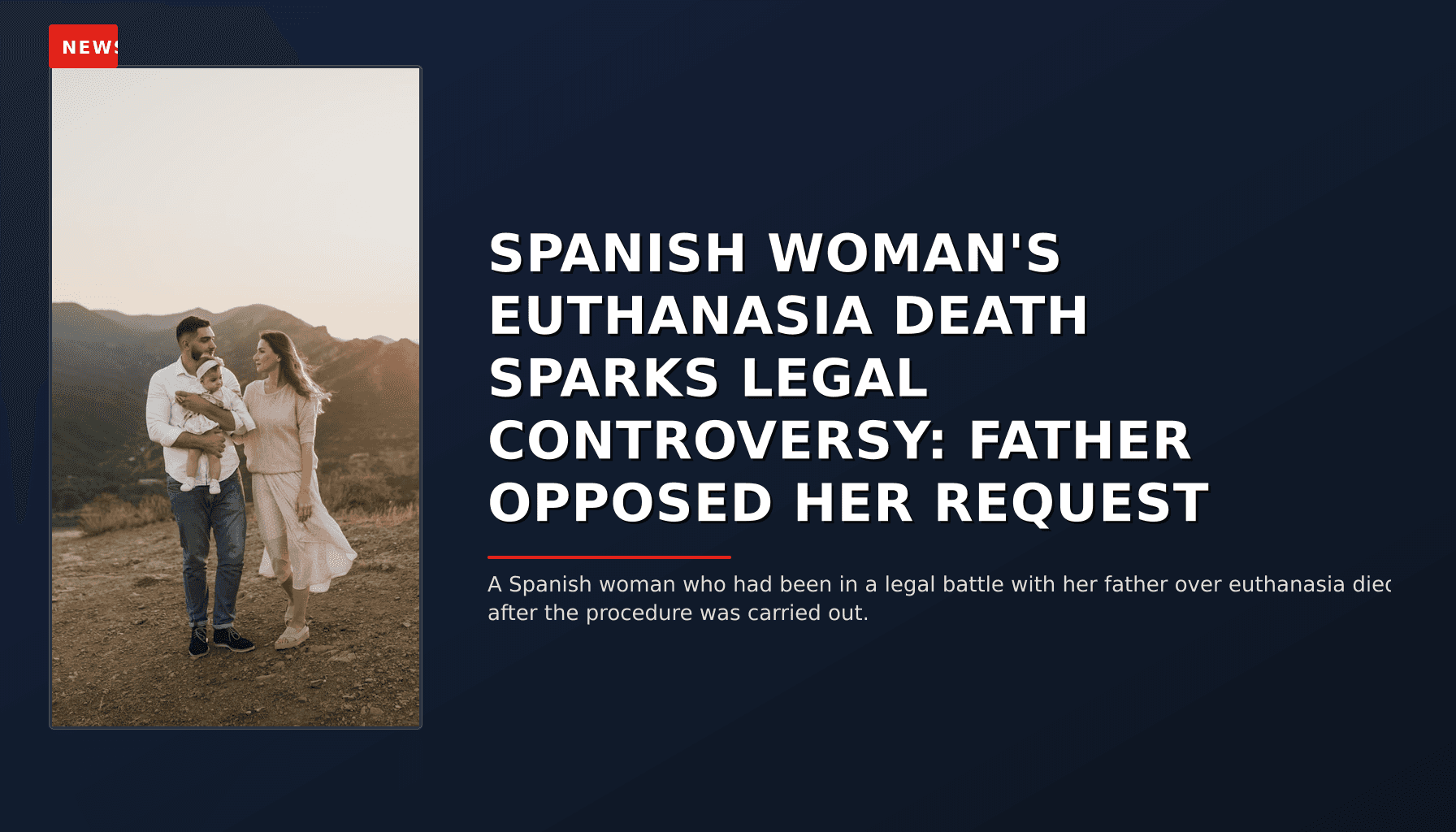
SPANISH WOMAN'S EUTHANASIA DEATH SPARKS LEGAL CONTROVERSY: FATHER OPPOSED HER REQUEST
A Spanish woman died after euthanasia despite her father's legal opposition, sparking a debate on end-of-life choices and medical ethics.

A Spanish woman who died after receiving euthanasia despite her father's legal opposition has reignited the debate on end-of-life choices.
In a deeply emotional and legally complex case, a Spanish woman passed away after euthanasia was administered. The procedure occurred despite a prolonged legal battle with her father, who had contested her right to die. This case raises significant questions about medical autonomy, family dynamics, and the legal frameworks surrounding end-of-life decisions.
The woman's father legally opposed her request for euthanasia, according to reports from reliable sources. While the specific legal processes that led to the court's decision remain unclear, it is understood that the authorities upheld her right to make such a choice in accordance with established laws.
Euthanasia remains a highly contentious issue globally, particularly in countries where it is legally permitted under strict conditions. Spain allows euthanasia for terminally ill patients who are capable of making informed decisions, provided they have exhausted other medical options. This case highlights the challenges faced by both healthcare providers and legal systems when balancing patient wishes with familial objections.
The woman's circumstances have drawn attention to the ethical dilemmas surrounding end-of-life choices. Her father's opposition adds another layer of complexity, challenging the notion of individual rights versus family influence in such decisions. Legal experts suggest that this case could set a precedent for future debates on medical consent and euthanasia laws.
Public opinion in Spain is divided on the matter. While some commend the woman's right to choose her end-of-life options, others express concern over the potential for coercion or emotional manipulation by family members. Advocacy groups are calling for clearer guidelines to ensure that such decisions are made without undue influence.
The legal processes involved in this case have not been fully detailed in available sources, leaving many questions unanswered. It is crucial to consider the broader implications of court decisions on similar cases and how they might shape societal norms around end-of-life care and medical ethics.
More Stories
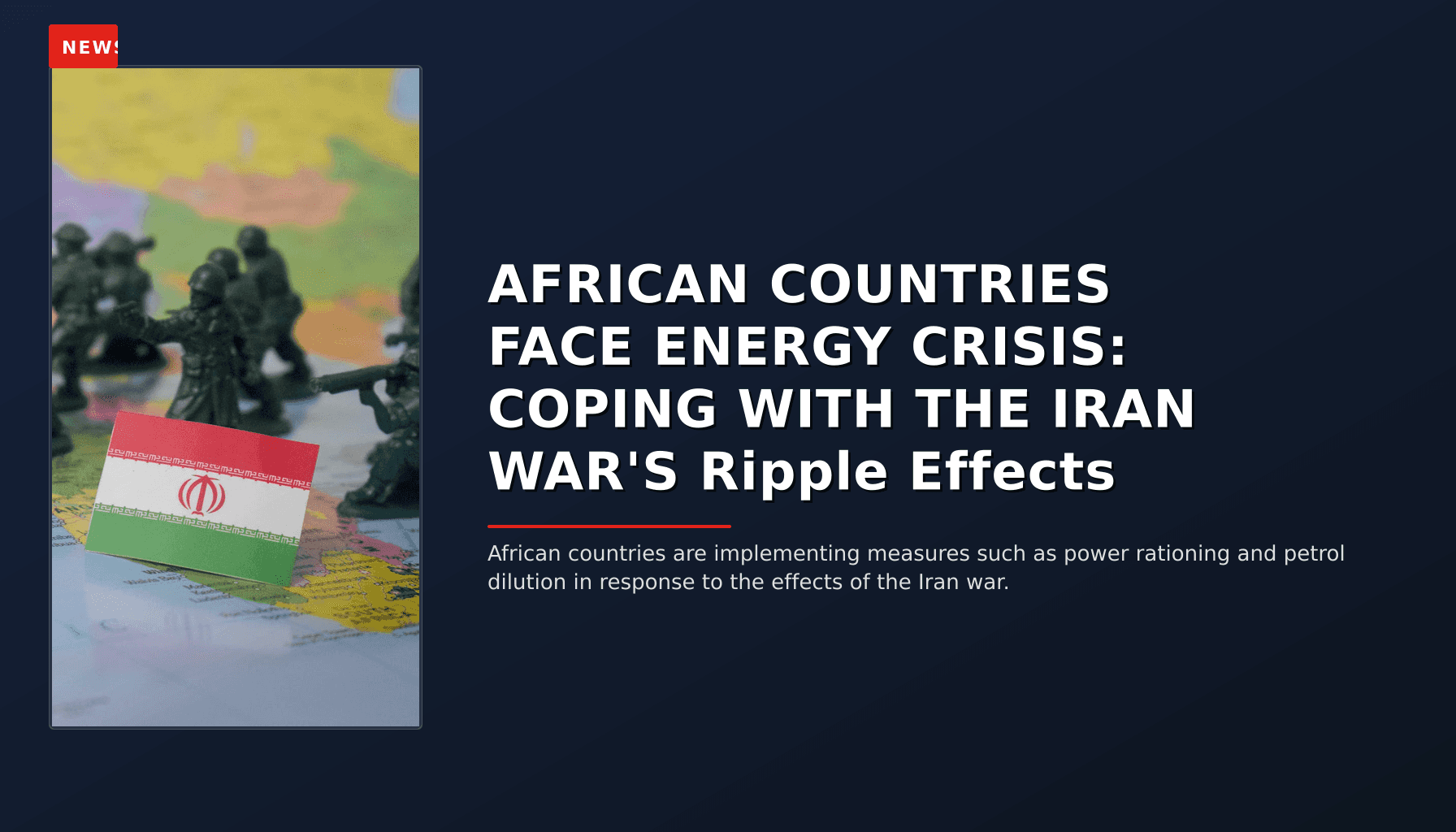
AFRICAN COUNTRIES FACE ENERGY CRISIS: COPING WITH THE IRAN WAR'S Ripple Effects
26 March 2026 at 18:082 min read
Read More
OIL PRICES EXCEED $100 A BARREL: FIRST TIME IN FOUR YEARS
9 March 2026 at 00:472 min read
Read More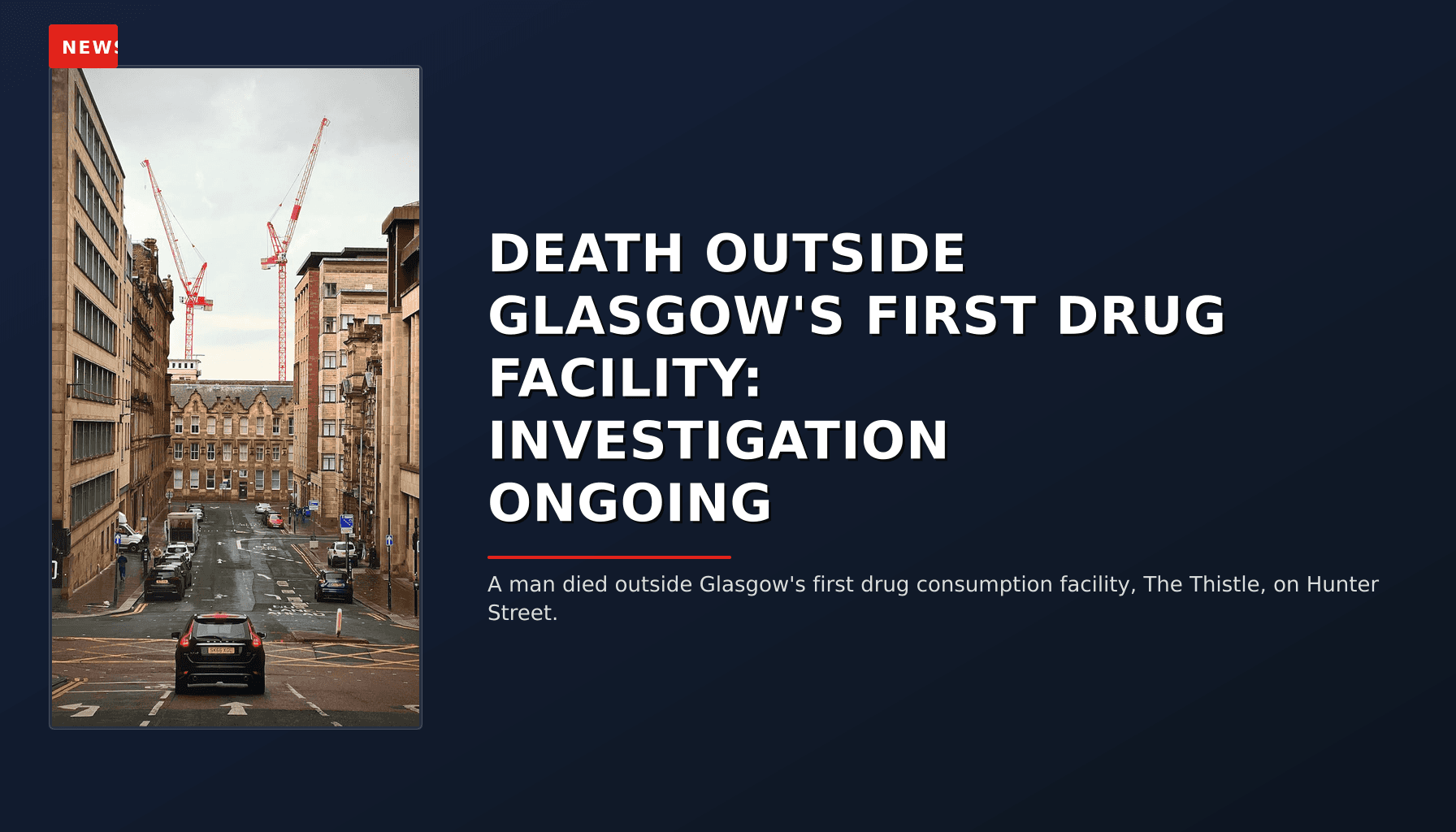
DEATH OUTSIDE GLASGOW'S FIRST DRUG FACILITY: INVESTIGATION ONGOING
8 March 2026 at 14:342 min read
Read More
Comments (0)
No comments yet. Be the first to share your thoughts!
Leave a Comment
Your email address will not be published. Comments are moderated before appearing.