
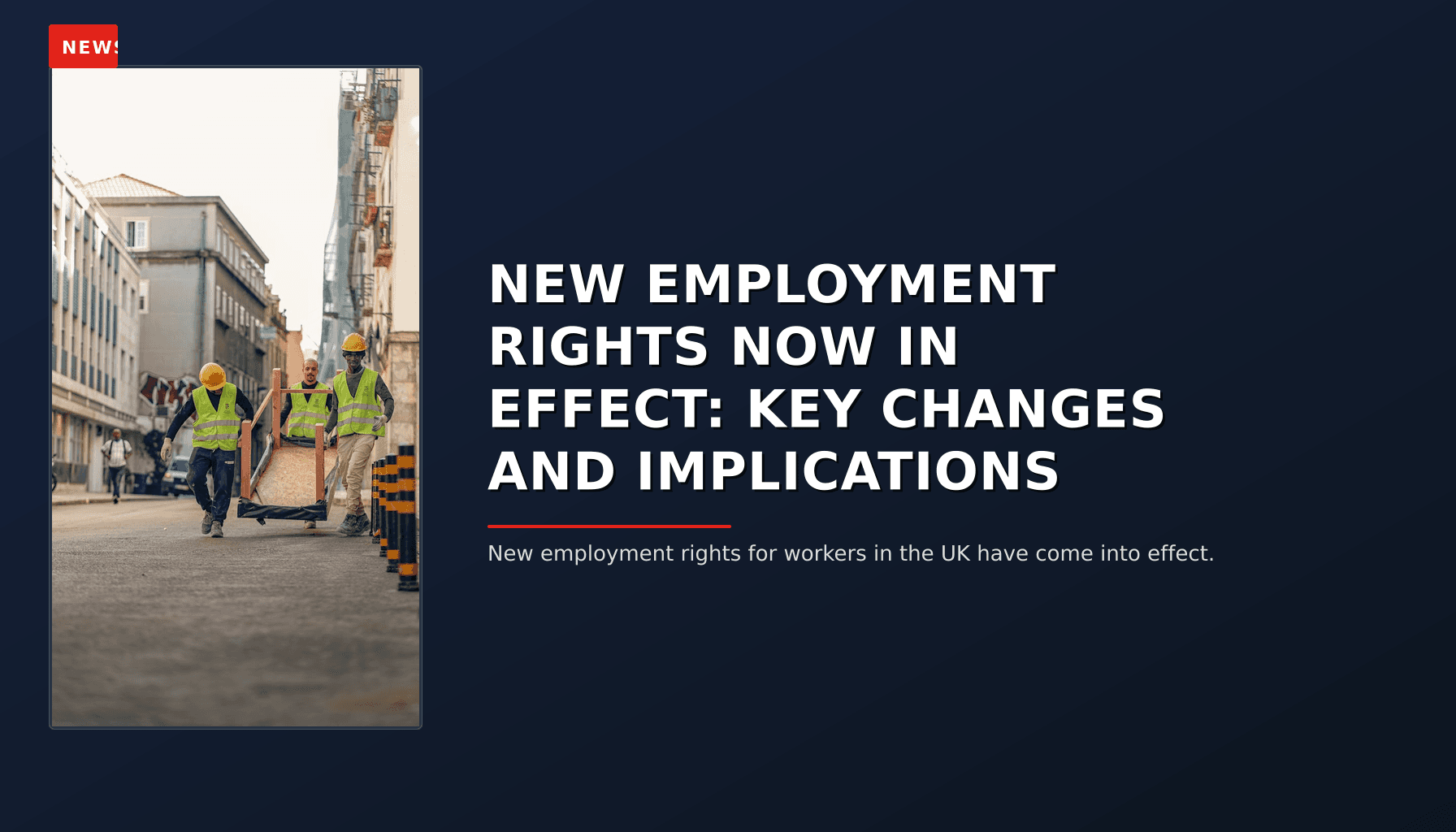
NEW EMPLOYMENT RIGHTS NOW IN EFFECT: KEY CHANGES AND IMPLICATIONS
New UK employment rights have come into effect, enhancing protections for workers with significant changes to workplace regulations.


The UK's new employment rights have come into force, bringing significant changes to the workplace.
Today marks a pivotal moment in the UK's employment landscape as a series of long-awaited reforms take effect. These changes aim to enhance workers' protections and provide greater clarity on their rights within the workplace. According to recent reports from major news outlets, including Sky News, employees now benefit from a 'raft of new rights' designed to address contemporary challenges faced by the workforce.
Among the key updates are provisions that strengthen protections against unfair dismissal, introduce more stringent regulations on workplace safety, and enhance entitlements related to parental leave. These measures reflect a broader shift in government policy towards creating a more balanced and secure working environment for all citizens.
The implementation of these reforms has been met with mixed reactions across various sectors. While labor unions and worker advocacy groups have praised the changes as a significant step forward, some business organizations have expressed concerns about the potential impact on中小型企业's operational flexibility. It remains to be seen how these new regulations will be enforced and whether they will achieve their intended goals of fostering a fairer workplace.
Historically, employment law in the UK has been subject to incremental updates rather than wholesale reforms. This latest set of changes represents a notable departure from past trends, with a focus on addressing issues such as gig economy workers' rights, mental health support in the workplace, and improved access to justice for employees facing grievances.
Read more: UPCOMING MAY ELECTIONS: A CRUCIAL TEST FOR LOCAL GOVERNANCE
According to legal experts, the new regulations will require employers to review their current policies and ensure compliance with the updated standards. Failure to do so could result in penalties under labor laws. This represents a significant challenge for many businesses, particularly smaller ones with fewer resources dedicated to HR and legal affairs.
Public opinion polls indicate that a majority of workers are optimistic about these changes, viewing them as a necessary step towards addressing long-standing inequalities in the workplace. However, critics argue that the complexity of the new laws may lead to confusion and potential disputes between employers and employees.
Looking ahead, it is expected that there will be a period of adaptation as both businesses and workers adjust to the new regulations. Government officials have emphasized the importance of raising awareness about these changes through public information campaigns and targeted outreach to key stakeholders.
In conclusion, the introduction of these new employment rights marks a significant milestone in the UK's ongoing efforts to create a more just and equitable workplace environment. While challenges remain, particularly in terms of enforcement and compliance, the reforms are seen as a crucial step towards safeguarding workers' interests.
Read more: JEREMY CORBYN SPEAKS AT LONDON RALLY: DEFENDING WORKERS' RIGHTS

More Stories
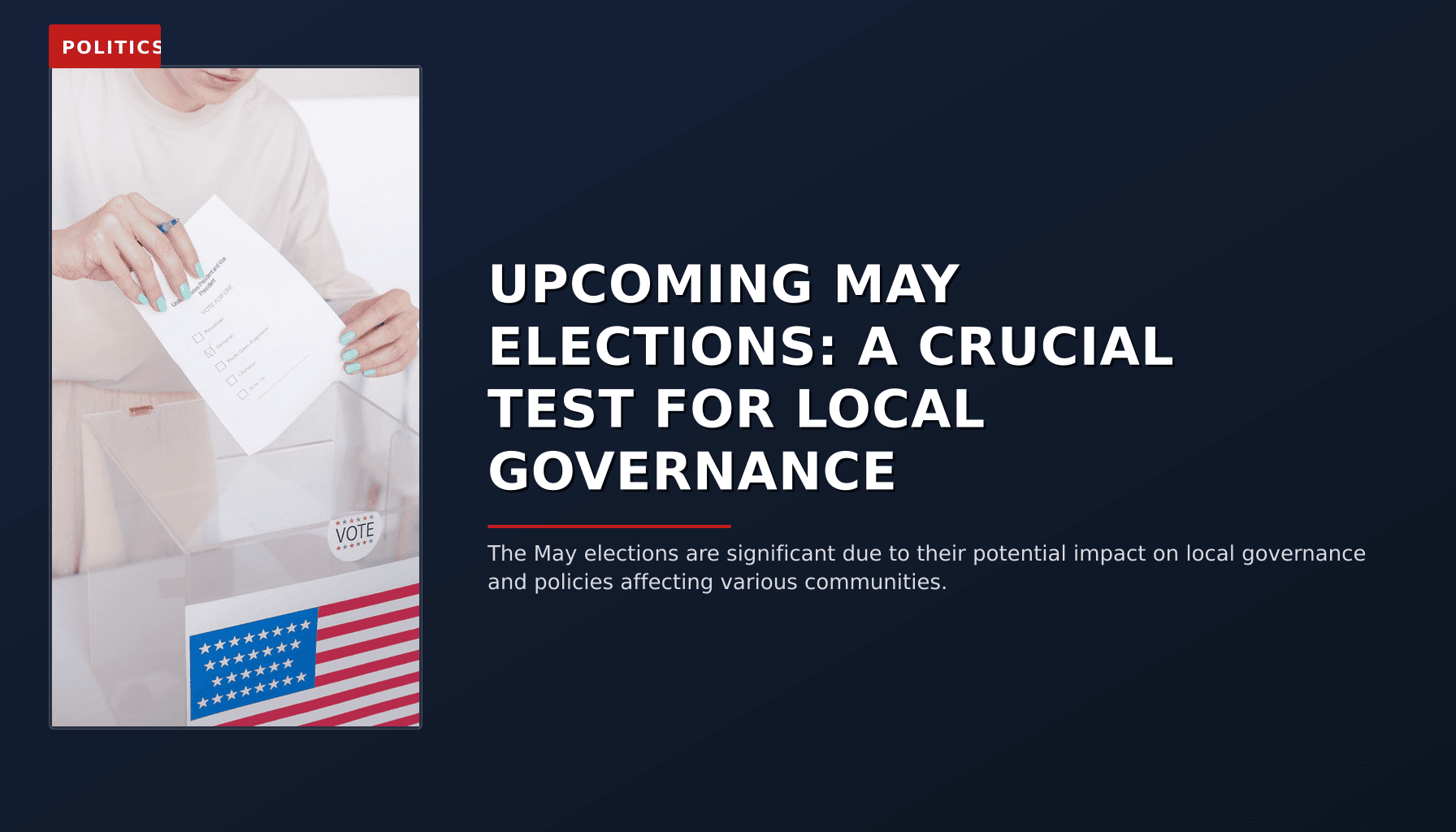
UPCOMING MAY ELECTIONS: A CRUCIAL TEST FOR LOCAL GOVERNANCE
6 April 2026 at 07:472 min read
Read More
JEREMY CORBYN SPEAKS AT LONDON RALLY: DEFENDING WORKERS' RIGHTS
5 April 2026 at 20:072 min read
Read More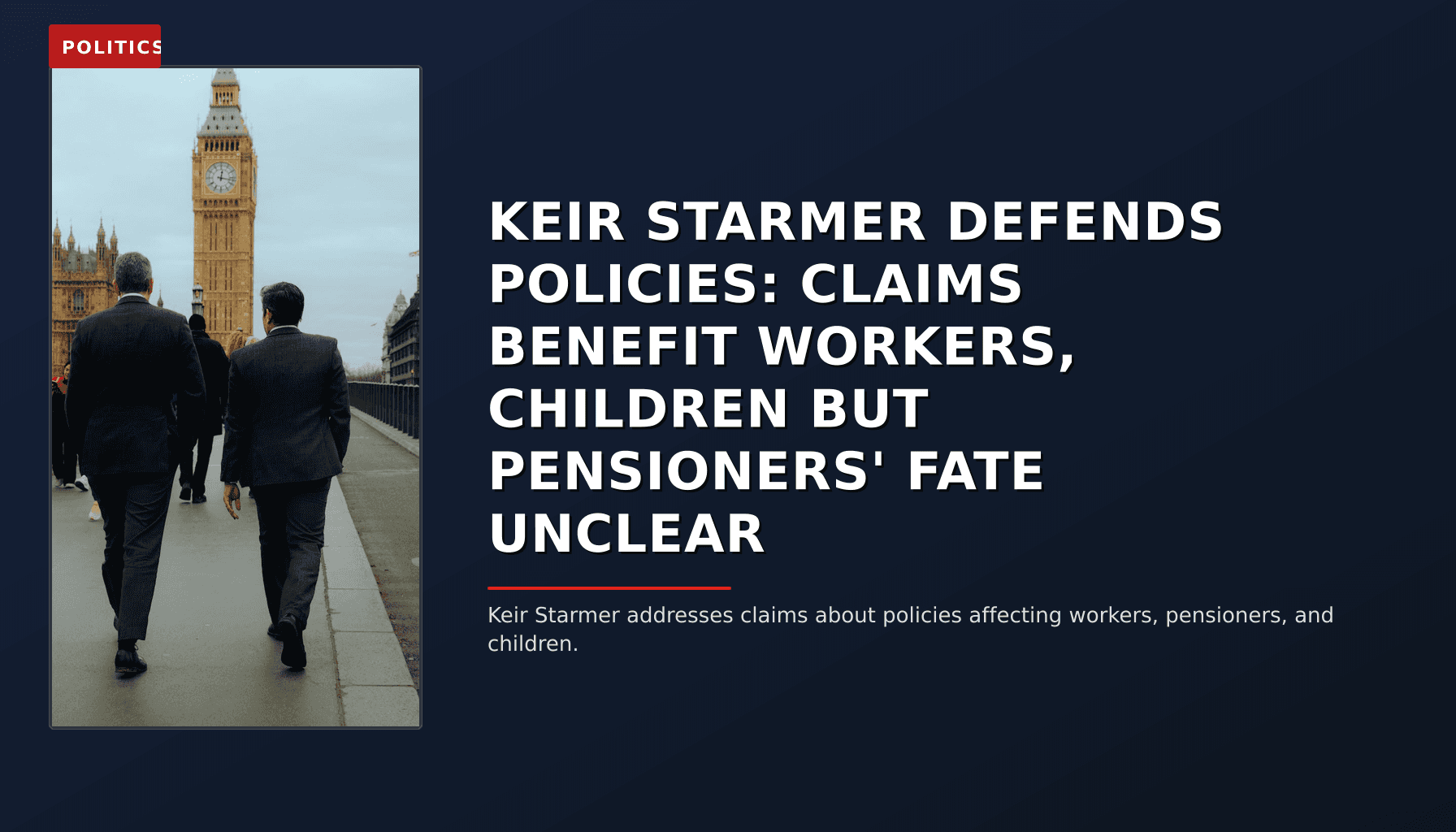
KEIR STARMER DEFENDS POLICIES: CLAIMS BENEFIT WORKERS, CHILDREN BUT PENSIONERS' FATE UNCLEAR
5 April 2026 at 19:371 min read
Read More
Comments (0)
No comments yet. Be the first to share your thoughts!
Leave a Comment
Your email address will not be published. Comments are moderated before appearing.