UK UNEMPLOYMENT RATE FALLS TO 4.9%: SURPRISING ECONOMIC TREND REVEALED
The UK unemployment rate fell to 4.9%, defying analyst predictions, while wages saw a slower growth pace and payroll numbers dropped slightly.


The UK unemployment rate unexpectedly dropped to 4.9%, challenging analyst predictions and indicating a shift in economic dynamics.
The Office for National Statistics (ONS) has reported that the UK unemployment rate fell to 4.9% in the three months ending in February, defying expectations from analysts who had forecasted it to remain steady at 5.2%. This unexpected drop comes amid a backdrop of economic uncertainties, including the ongoing impact of the Iran war and domestic economic challenges. The data, released last week, has sparked discussions among economists about the resilience of the UK job market despite potential headwinds.
The latest figures reveal that while unemployment decreased slightly, there were notable shifts in the labour market. The number of workers on company payrolls dropped by 11,000 in March, according to the ONS data. This contraction in employment suggests that businesses may be cautious about hiring amid economic uncertainties. However, this decline was offset somewhat by the decrease in unemployment, pointing to a complex interplay between job creation and workforce participation.
Wage growth has also shown a notable trend. Between December and February, wages experienced an annual growth rate of 3.6%, which, while positive, is the weakest pace since late 2020. This growth figure outpaces inflation but has slowed compared to previous years, indicating that workers' purchasing power may be under slight pressure despite employment stability.
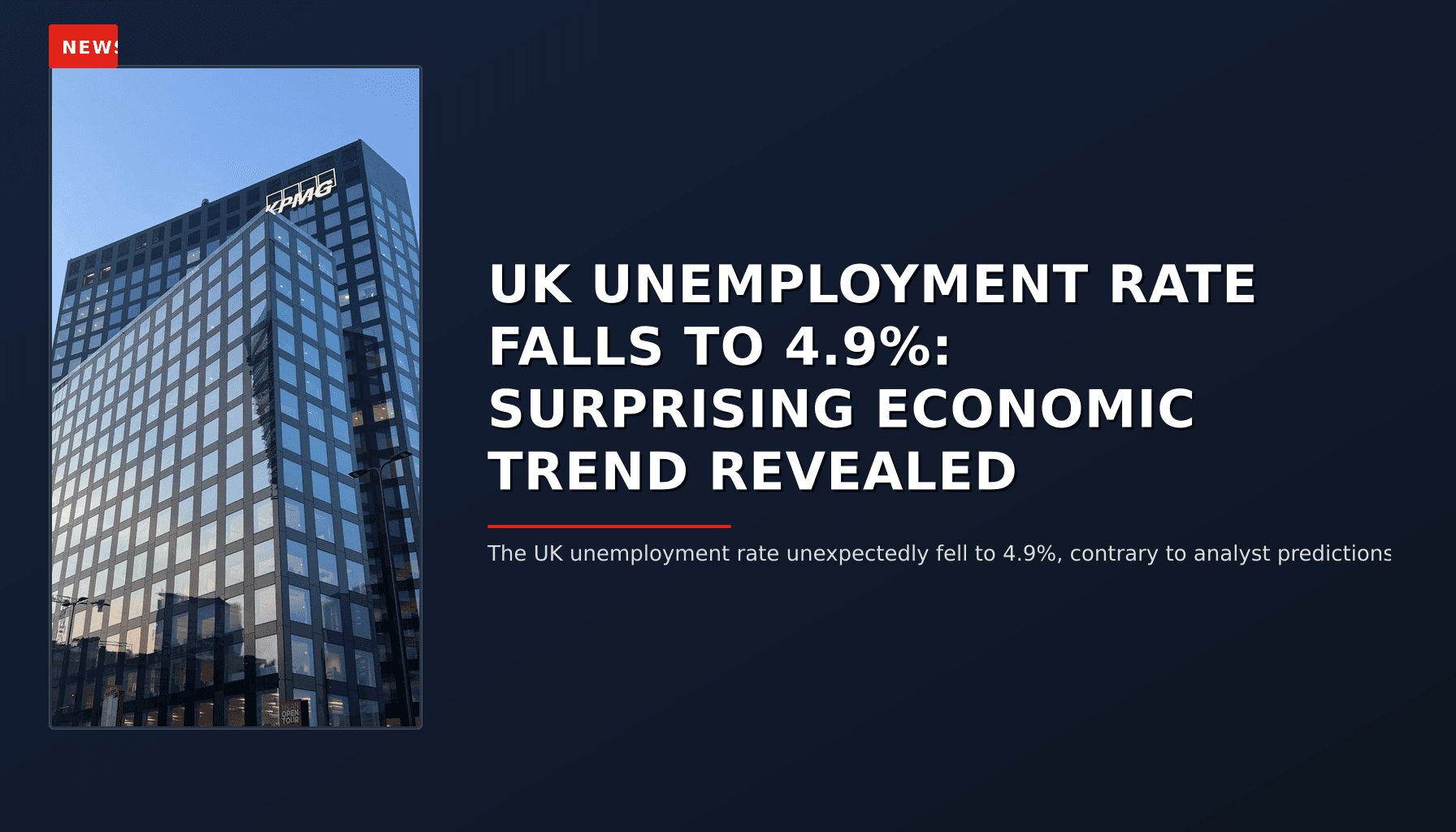
Yael Selfin, an economist from KPMG UK, offered insights into these developments. She noted that while the unemployment rate dropped slightly, it is likely to rise in the coming months due to economic pressures. 'This dip in unemployment could be temporary,' she cautioned, highlighting the need for businesses and policymakers to remain vigilant as external factors continue to influence the job market.
Read more: FORMER CIVIL SERVANT TO SPEAK OUT: LORD MANDELSON VETTING ROW HEATS UP
The UK economy also showed signs of resilience before the escalation of the Iran war. Growth was faster than expected in February, a period that has since been overshadowed by geopolitical tensions. This unexpected economic strength has provided some buffer against potential disruptions, though experts warn that longer-term impacts remain uncertain.

More Stories


Comments (0)
No comments yet. Be the first to share your thoughts!
Leave a Comment
Your email address will not be published. Comments are moderated before appearing.