
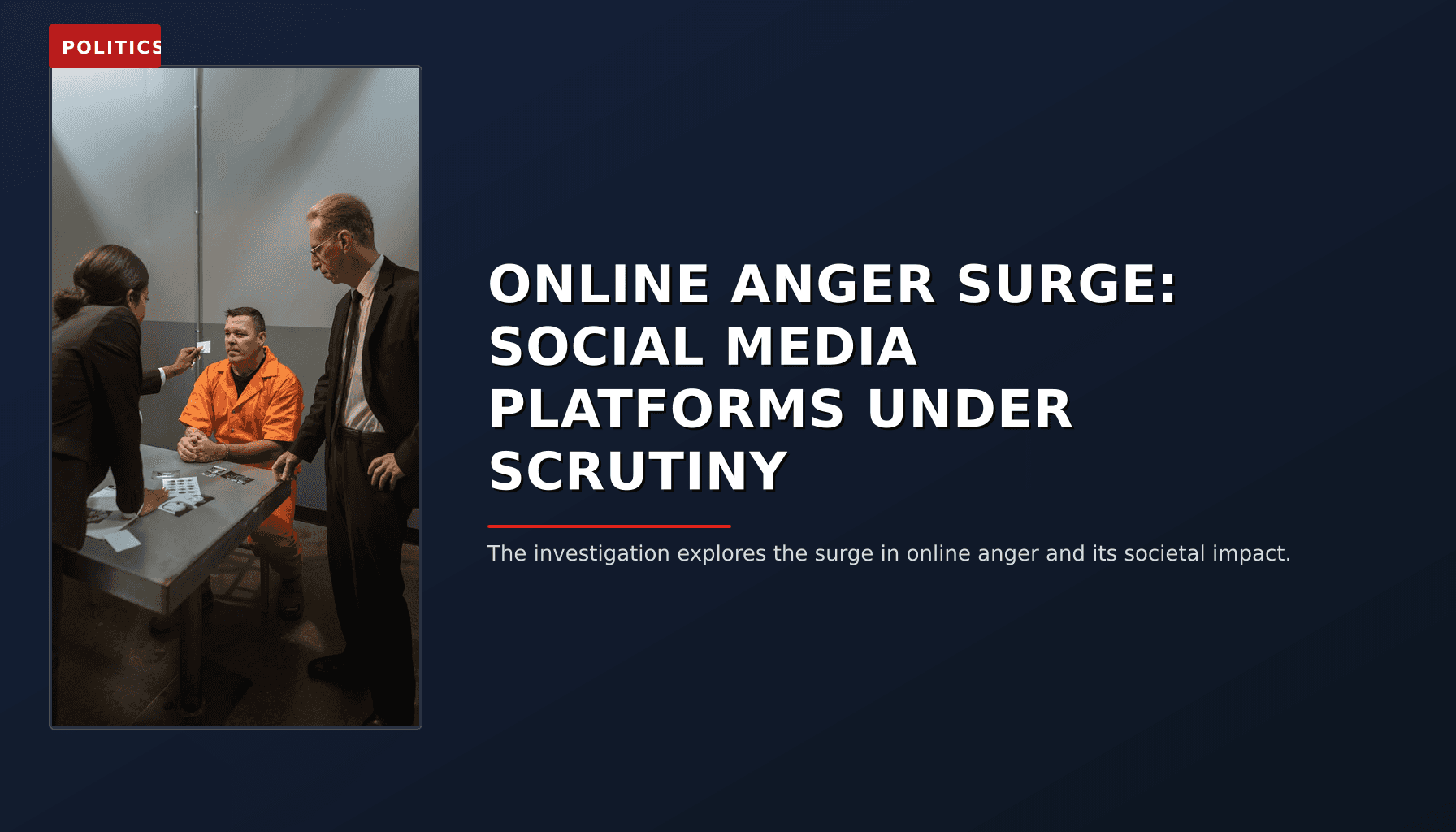
ONLINE ANGER SURGE: SOCIAL MEDIA PLATFORMS UNDER SCRUTINY
The surge in online anger is putting social media platforms under increasing scrutiny as hate crimes rise by 15% in the UK. The debate over their role in addressing digital aggression intensifies.

The rise of online anger is putting social media platforms under increasing pressure to address the surge in hate crimes.
Recent investigations have revealed a concerning spike in online hostility, with social media platforms facing mounting criticism for their handling of rising digital aggression. According to multiple reports, including findings from the Social Media Journalism Institute and Tech Crunch, these platforms are struggling to implement effective measures against the proliferation of angry and harmful content. This failure has led to a marked increase in hate crime incidents across the UK, with hate crimes reported to have risen by 15% over the past year.
The issue has sparked a heated debate about the role of social media in shaping societal attitudes. While some argue that online anger is merely a reflection of broader societal tensions, others maintain that platforms must do more to curb the spread of harmful content. The UK Government has expressed growing concerns, urging social media companies to take stronger action against hate speech and other forms of digital aggression.
Social media platforms have defended their efforts, highlighting the complexity of content moderation on global platforms with billions of users. However, critics argue that current measures are insufficient, pointing to the surge in hate crimes as evidence of their failure to adequately address online anger. According to recent studies, hate crime incidents have increased by 15% in the past year, raising questions about the effectiveness of existing policies.
While there is widespread agreement on the need for improved content moderation, the direct link between online anger and physical hate crimes remains a subject of debate. Some experts caution against drawing definitive conclusions, emphasizing that correlation does not necessarily equate to causation. Nevertheless, the correlation between rising online hostility and an uptick in reported hate crimes cannot be ignored.
The challenge for social media platforms lies in balancing free expression with the responsibility to prevent harm. As they grapple with these complexities, calls for stricter regulations are growing louder. The UK Government has hinted at potential new legislation aimed at holding social media companies accountable for their role in fostering online environments that contribute to real-world harm.
In the meantime, hate crime victims continue to bear the brunt of this digital explosion. Advocacy groups report increasing incidents of individuals facing both online and offline harassment, with many feeling isolated and unsupported by existing mechanisms. The need for comprehensive solutions has never been more apparent, as society navigates the intricate relationship between digital discourse and real-world consequences.
More Stories
ARSON ATTACK ON JEWISH AMBULANCES: POLICE INVESTIGATE ANTISEMITIC MOTIVE
23 March 2026 at 05:162 min read
Read More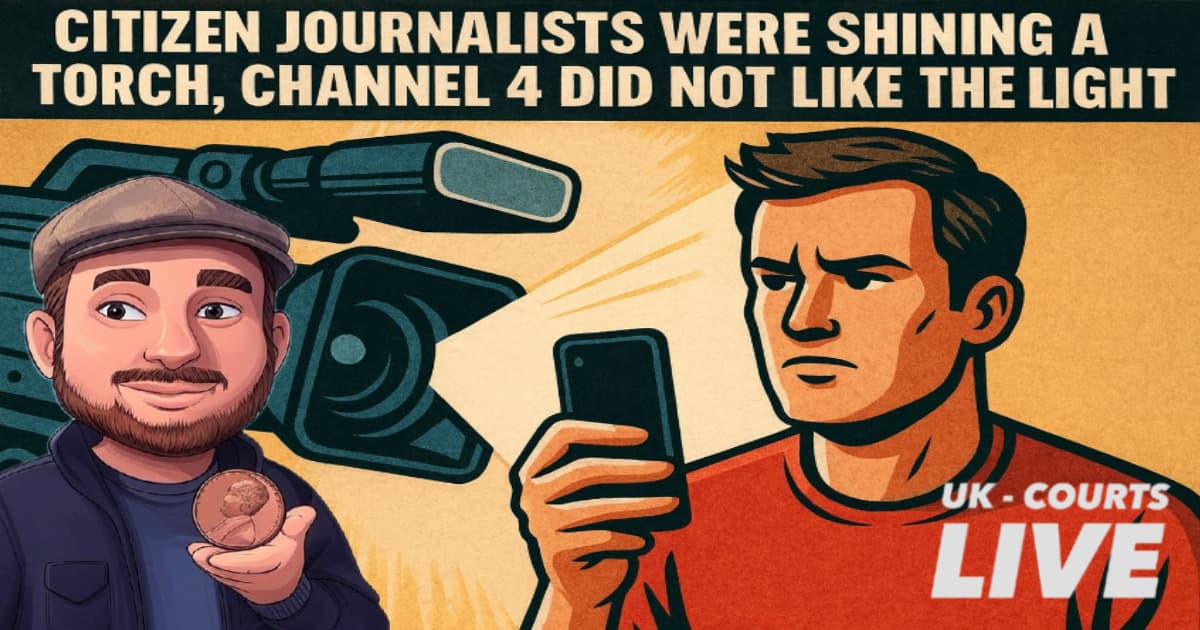
🔴 Citizen Journalists Were Shining a Torch, Channel 4 Did Not Like the Light!
24 September 2025 at 20:025 min read
Read More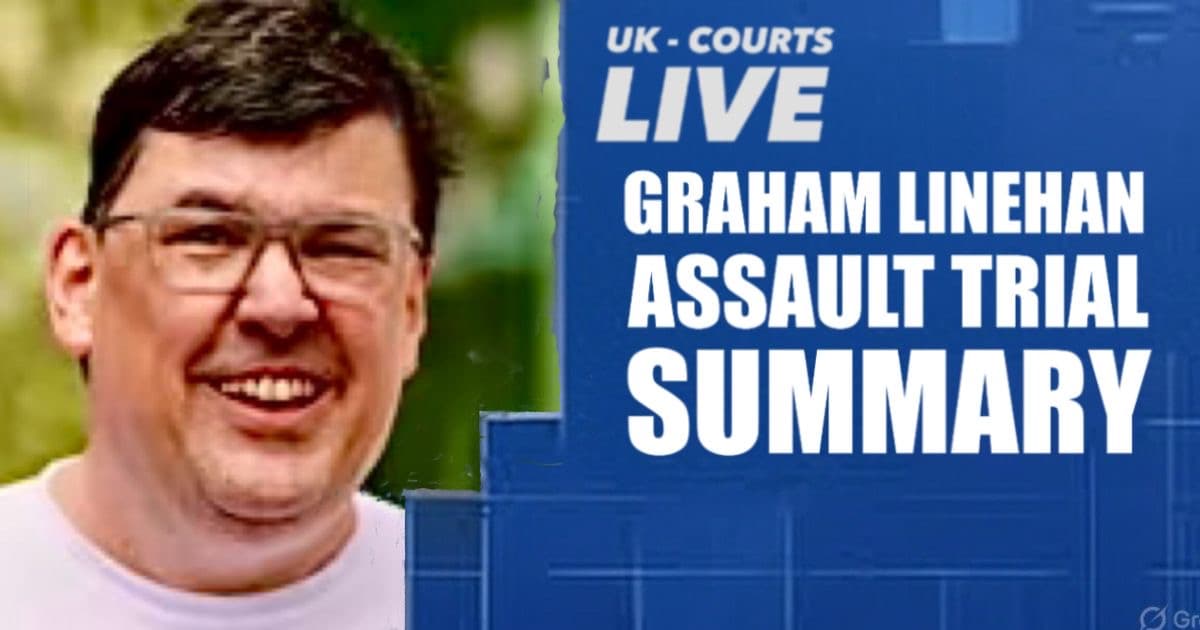
🔴 Graham Linehan on Trial for Harassment & Property Damage : Trial So Far
8 September 2025 at 15:234 min read
Read More
Comments (0)
No comments yet. Be the first to share your thoughts!
Leave a Comment
Your email address will not be published. Comments are moderated before appearing.