
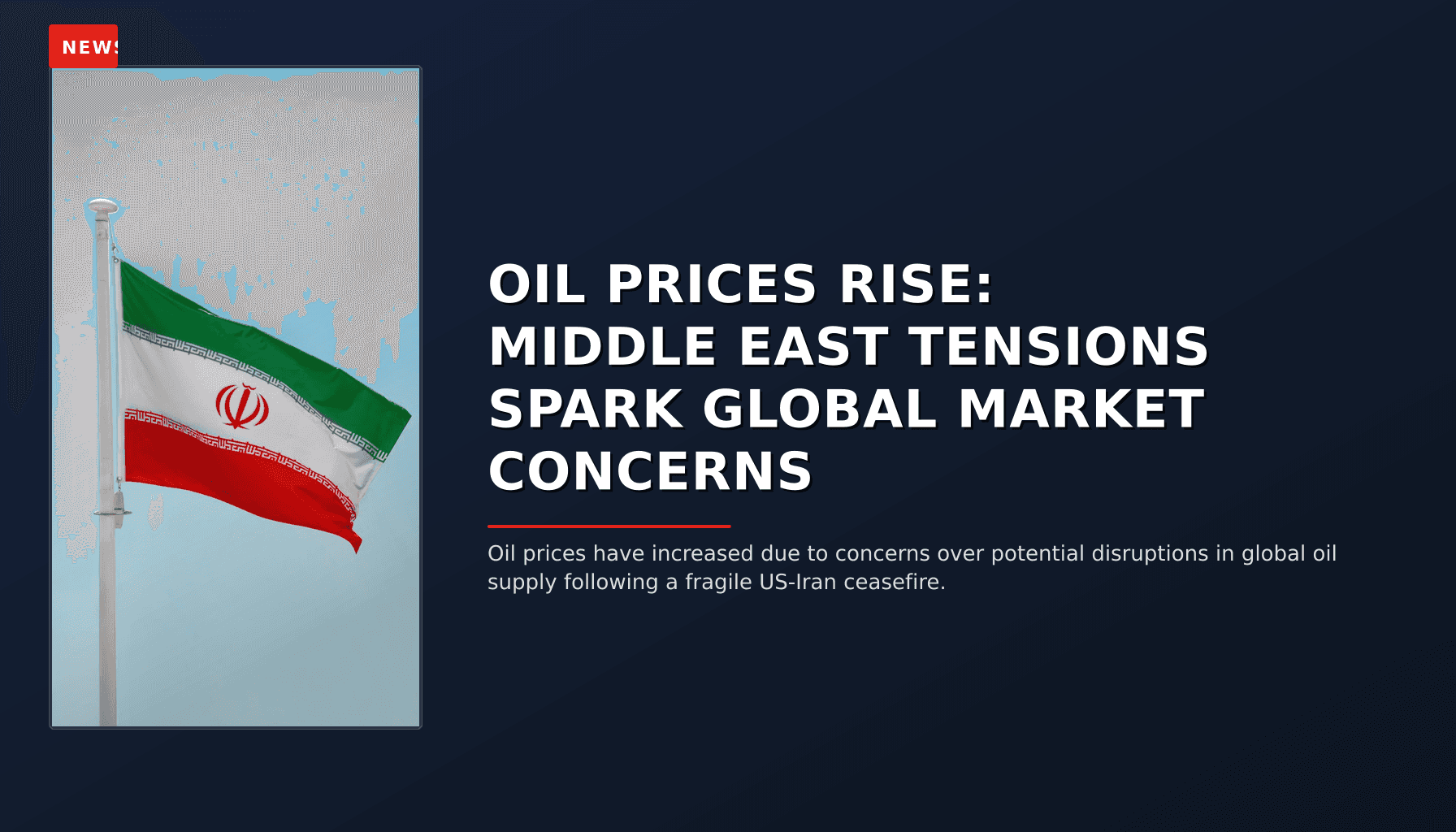
OIL PRICES RISE: MIDDLE EAST TENSIONS SPARK GLOBAL MARKET CONCERNS
Global oil prices have surged due to tensions between the US and Iran, with concerns over potential supply disruptions.

Global oil prices have surged as tensions between the US and Iran cast uncertainty over supply.
Recent reports indicate a significant rise in global oil prices, with experts attributing the surge to heightened geopolitical tensions in the Middle East. As of late, concerns over potential disruptions to oil supplies have increasingly weighed on markets, following a fragile ceasefire agreement between the US and Iran. This development has sent shockwaves through international energy markets, with traders closely monitoring the situation for further developments.
The fragile truce between the US and Iran, which was brokered by regional powers, has been met with skepticism from analysts. While both sides have expressed commitments to de-escalation, the historical context of strained relations suggests that any misstep could rapidly escalate tensions. This uncertainty has created a ripple effect across global oil markets, where prices have been driven higher as investors seek safer alternatives and speculative trading intensifies.
According to sources from Bloomberg and Reuters, oil prices have shown an upward trend in recent weeks, with Brent crude futures surpassing $80 per barrel. Market participants are closely observing the situation in the Middle East, given that the region is a key supplier of global oil supplies. The US-Iran relationship has long been a flashpoint for global energy security, and any disruption could have far-reaching consequences.
It is understood that the ceasefire's impact on oil prices is not entirely clear-cut. While tensions have increased, other factors such as OPEC production levels and seasonal demand fluctuations may also be influencing market dynamics. Some analysts caution against oversimplifying the situation, emphasizing the interplay of multiple variables in determining oil price movements.
Read more: Oil prices exceed $100 a barrel: First time in four years
The geopolitical landscape in the Middle East remains precarious, with both the US and Iran maintaining a presence in the region. This dynamic has historically led to volatility in energy markets, as any conflict could disrupt oil production and shipping routes. The current ceasefire is seen as an attempt to stabilize the situation, but its long-term viability is uncertain.
Experts warn that while the immediate impact of the ceasefire on oil prices may be contained, the broader implications for global energy security are significant. Should tensions escalate further, the consequences for international markets could be severe, potentially leading to supply shortages and increased costs for consumers worldwide.
Looking ahead, the situation between the US and Iran will remain a key focus for market watchers. If the ceasefire holds, it may provide some stability to oil prices, but any breakdown could precipitate further volatility. Meanwhile, industry observers are urging governments and international bodies to prepare contingency plans in case of supply disruptions.

More Stories
Oil prices exceed $100 a barrel: First time in four years
9 March 2026 at 00:472 min read
Read More
WOMAN MISSING IN BAHAMAS AFTER FALLING OVERBOARD: SEARCH AND ARREST INTENSIFY
9 April 2026 at 03:162 min read
Read More
22,000 STUDENTS REQUIRED TO REPAY 'MIS-SOLD' MAINTENANCE LOANS: A Developing Controversy
9 April 2026 at 01:311 min read
Read MoreComments (0)
No comments yet. Be the first to share your thoughts!
Leave a Comment
Your email address will not be published. Comments are moderated before appearing.