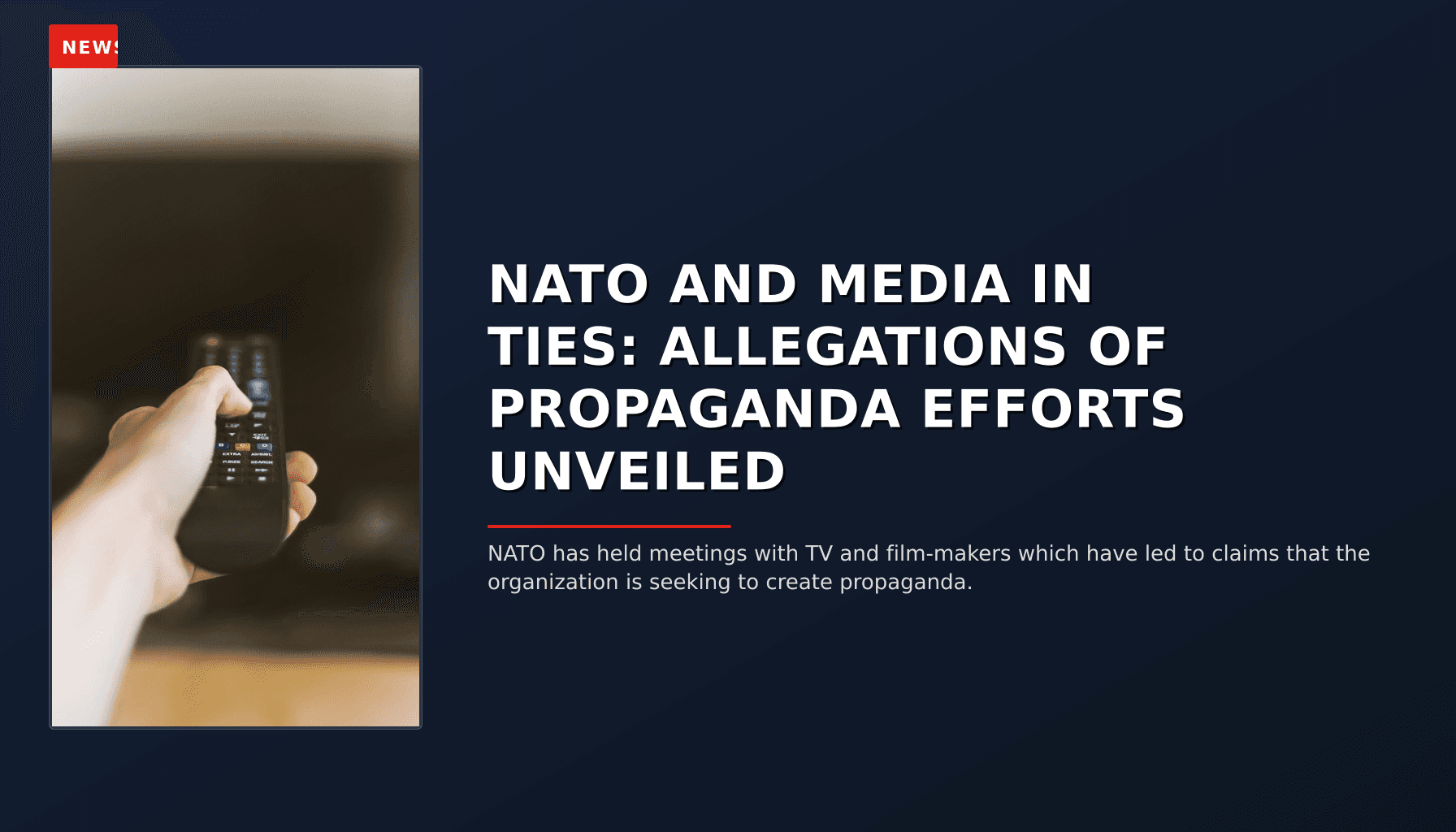
NATO AND MEDIA IN TIES: ALLEGATIONS OF PROPAGANDA EFFORTS UNVEILED
NATO's meetings with TV and film-makers have raised concerns about potential propaganda efforts, sparking debates on transparency and media influence.

NATO's meetings with TV and film-makers spark claims of propaganda creation, raising questions about transparency and intent.
In recent developments, NATO has come under scrutiny for holding discussions with television and film professionals, fueling allegations that the organization is attempting to craft propaganda. According to sources, these meetings have led to speculation about whether NATO's intentions involve influencing media content for strategic purposes. The details surrounding these interactions remain unclear, but the implications are significant in a political climate where transparency is crucial.
The claims emerged after reports surfaced indicating that NATO has engaged with key figures in the entertainment industry. These discussions took place without immediate public disclosure, raising concerns among observers about potential misuse of media influence. While some sources suggest these meetings aim to foster collaboration on factual content, others argue they are part of a broader effort to shape public perception.
It is understood that NATO's interactions with media professionals have sparked debates about the role of international organizations in shaping narratives. Critics argue that such engagement could lead to biased reporting or selective storytelling, potentially undermining journalistic integrity. Meanwhile, proponents of these meetings claim they are meant to enhance dialogue and provide accurate information on security matters.
Despite the allegations, it is important to note that there is no concrete evidence proving that NATO intends to create propaganda. The organization has yet to clarify its objectives for these discussions, leaving the media and public with more questions than answers. This lack of transparency raises ethical concerns, particularly in an environment where trust in institutions is already fragile.
Read more: BRENTFORD'S CHAMPIONS LEAGUE HOPES: WILL SIXTH PLACE SUFFICE?
The issue at hand touches on broader concerns about the intersection of politics and media. Historically, such collaborations have been subject to scrutiny, as they can be perceived as attempts to influence public opinion without proper oversight. The current situation with NATO underscores the need for clear communication regarding the purpose and outcomes of these meetings.
Moving forward, it will be crucial for NATO to address these allegations transparently. Without clarification, the organization risks damaging its reputation and fostering mistrust among both the media and the general public. Meanwhile, the media industry must remain vigilant in maintaining independence and impartiality, even as they engage with influential entities like NATO.
More Stories
BRENTFORD'S CHAMPIONS LEAGUE HOPES: WILL SIXTH PLACE SUFFICE?
2 May 2026 at 21:212 min read
Read More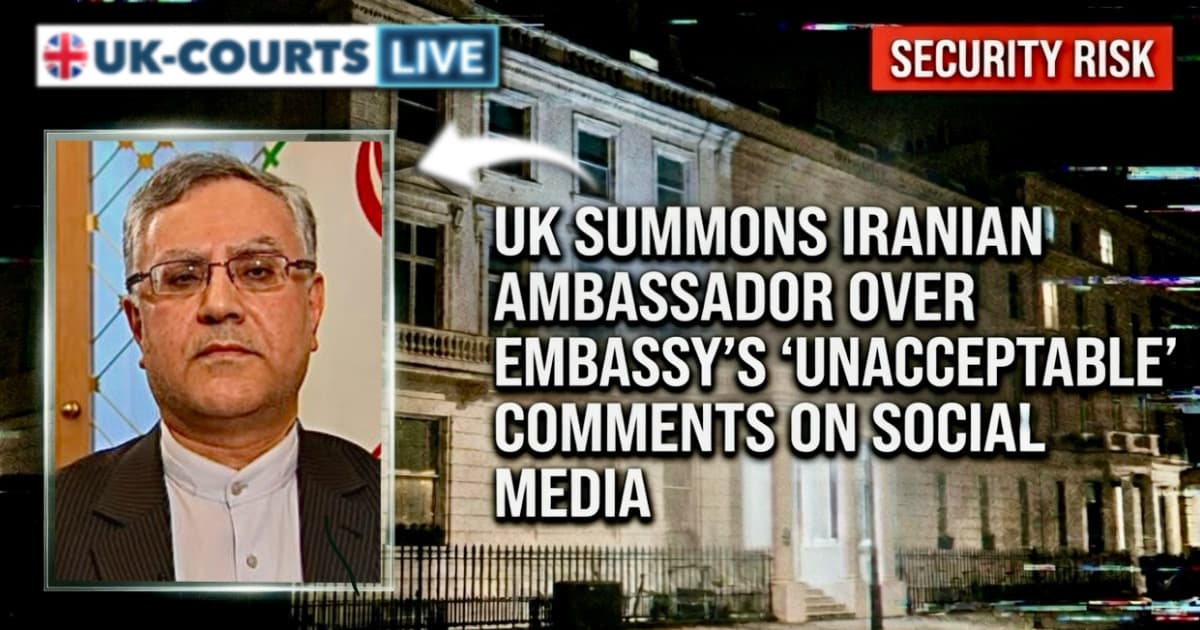
Iranian Embassy 'Jan Fada' Martyrdom Scheme Revealed in London
28 April 2026 at 17:003 min read
Read More
Rise Of The 'Ghost Owners': Uk Vehicles Without Proper Records
23 April 2026 at 09:492 min read
Read MoreComments (0)
No comments yet. Be the first to share your thoughts!
Leave a Comment
Your email address will not be published. Comments are moderated before appearing.