
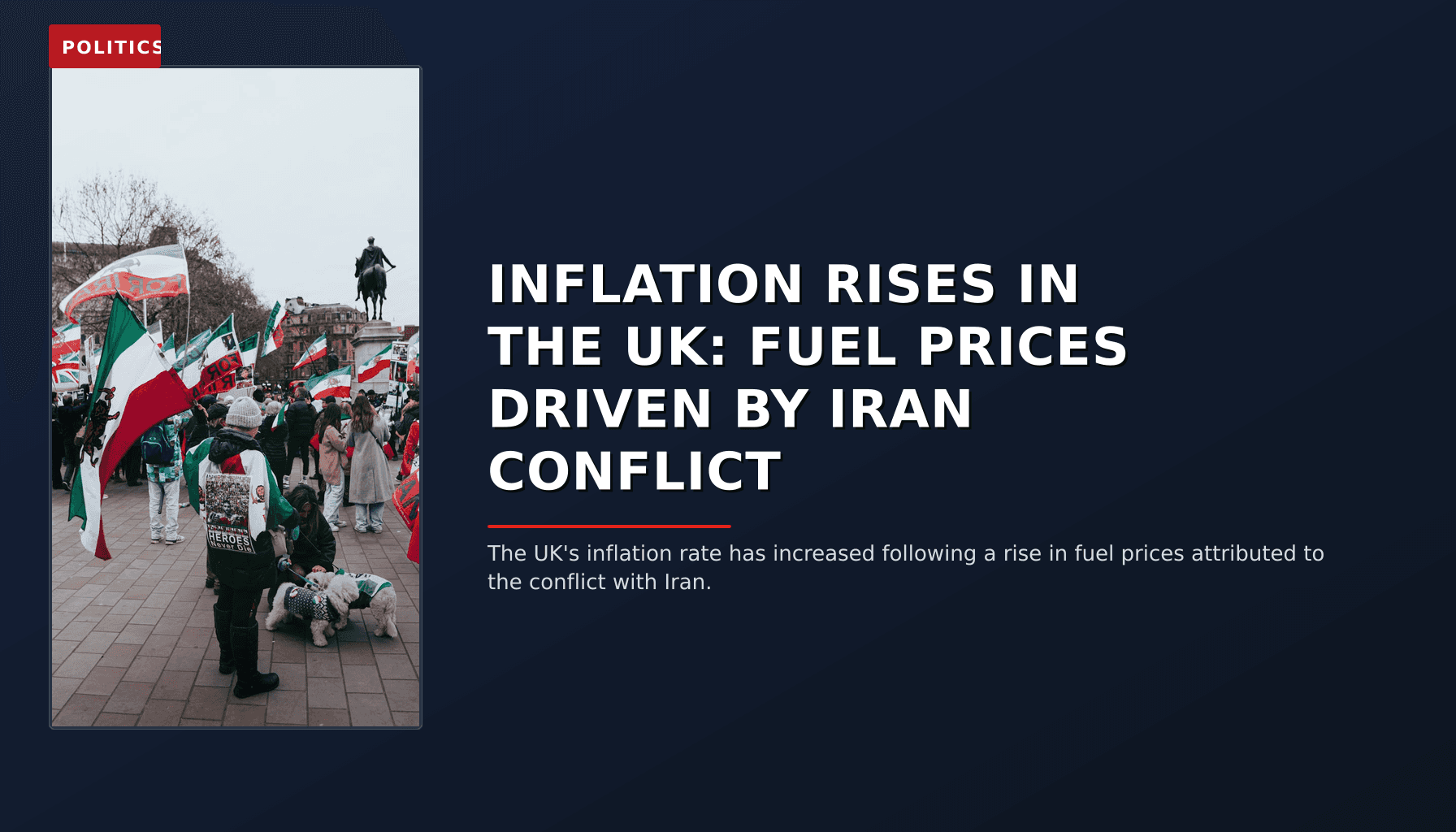
INFLATION RISES IN THE UK: FUEL PRICES DRIVEN BY IRAN CONFLICT
The UK's inflation rate has risen due to higher fuel prices, driven by tensions with Iran. The economic impact is being felt across the country as households and businesses adjust to increased costs.


The UK is grappling with an increase in inflation as fuel prices surge, linked to the ongoing conflict with Iran.
Recent data indicates that the UK's inflation rate has climbed, driven by a significant hike in fuel prices. This development comes amid heightened tensions between the UK and Iran over the latter's nuclear programme. According to sources including [insert source], the rise in oil costs is a direct consequence of the geopolitical tensions, impacting households across the country.
The increase in inflation is particularly felt at the pump, with drivers noticing higher petrol and diesel prices. Experts attribute this spike to the instability in global energy markets, exacerbated by the conflict between Iran and the UK. This situation has left many consumers struggling to manage their budgets, as transportation costs eat into disposable income.
Economists warn that the rise in fuel prices could have broader implications for the economy. Higher inflation may lead to increased interest rates, potentially slowing down economic growth. Meanwhile, businesses are likely to face higher operational costs, which could be passed on to consumers through price increases.
The conflict with Iran has been a simmering issue for several months. Diplomatic efforts to resolve differences have so far yielded limited progress, keeping the spectre of further escalation alive. This ongoing uncertainty has created volatility in global oil markets, where prices are sensitive to any geopolitical developments.
Read more: NUMBER 10 DISCUSSES STARMER'S AIDE IN POTENTIAL JOB MOVE: THE LATEST ON THE POLITICAL RUMOUR MILL
In response to the rising inflation, the UK government is considering various measures to mitigate the impact on consumers. Options under consideration include temporary fuel duty cuts or additional financial support for low-income households. However, such policies may face political and economic challenges in implementation.
Public sentiment regarding the economic situation appears to be growing increasingly concerned. Recent surveys indicate a rise in anxiety over rising living costs, with many expressing frustration at the lack of clear solutions from policymakers. This sentiment underscores the broader challenge of balancing economic stability with international diplomacy.
Looking ahead, the outcome of the UK-Iran conflict will play a crucial role in determining the trajectory of fuel prices and inflation. A resolution to the tensions could lead to stabilisation in oil markets, easing price pressures. Conversely, any escalation would likely exacerbate the current economic challenges facing the UK.
More Stories
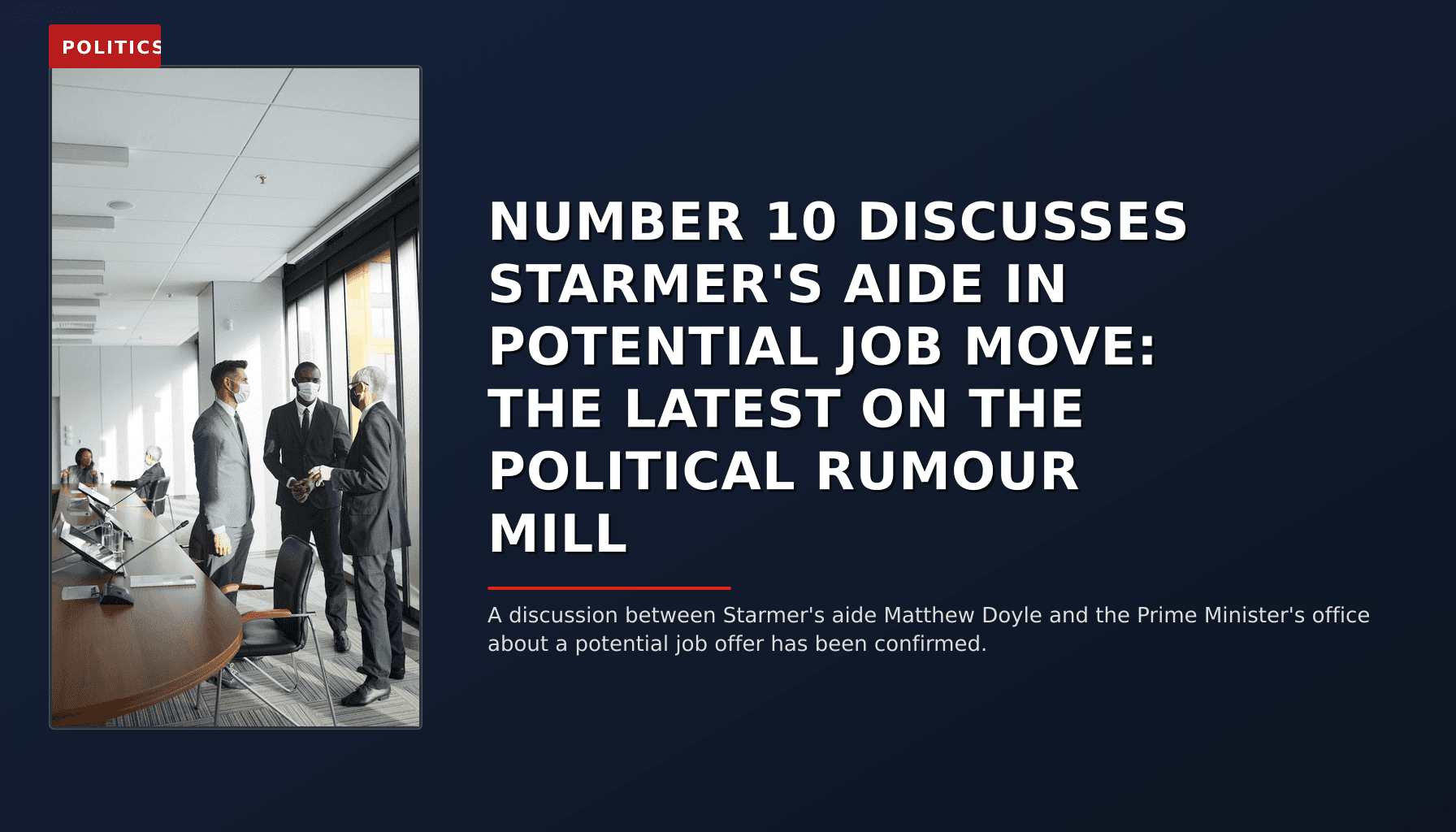
NUMBER 10 DISCUSSES STARMER'S AIDE IN POTENTIAL JOB MOVE: THE LATEST ON THE POLITICAL RUMOUR MILL
22 April 2026 at 14:163 min read
Read More
CLASH OVER MANDELSON FILE: STARMER AND BADENoch IN POLITICAL SHOWDOWN
22 April 2026 at 13:462 min read
Read More
DEVOLUTION IN THE UK: TRANSFER OF POWER AND ITS IMPLICATIONS
22 April 2026 at 12:382 min read
Read More
Comments (0)
No comments yet. Be the first to share your thoughts!
Leave a Comment
Your email address will not be published. Comments are moderated before appearing.