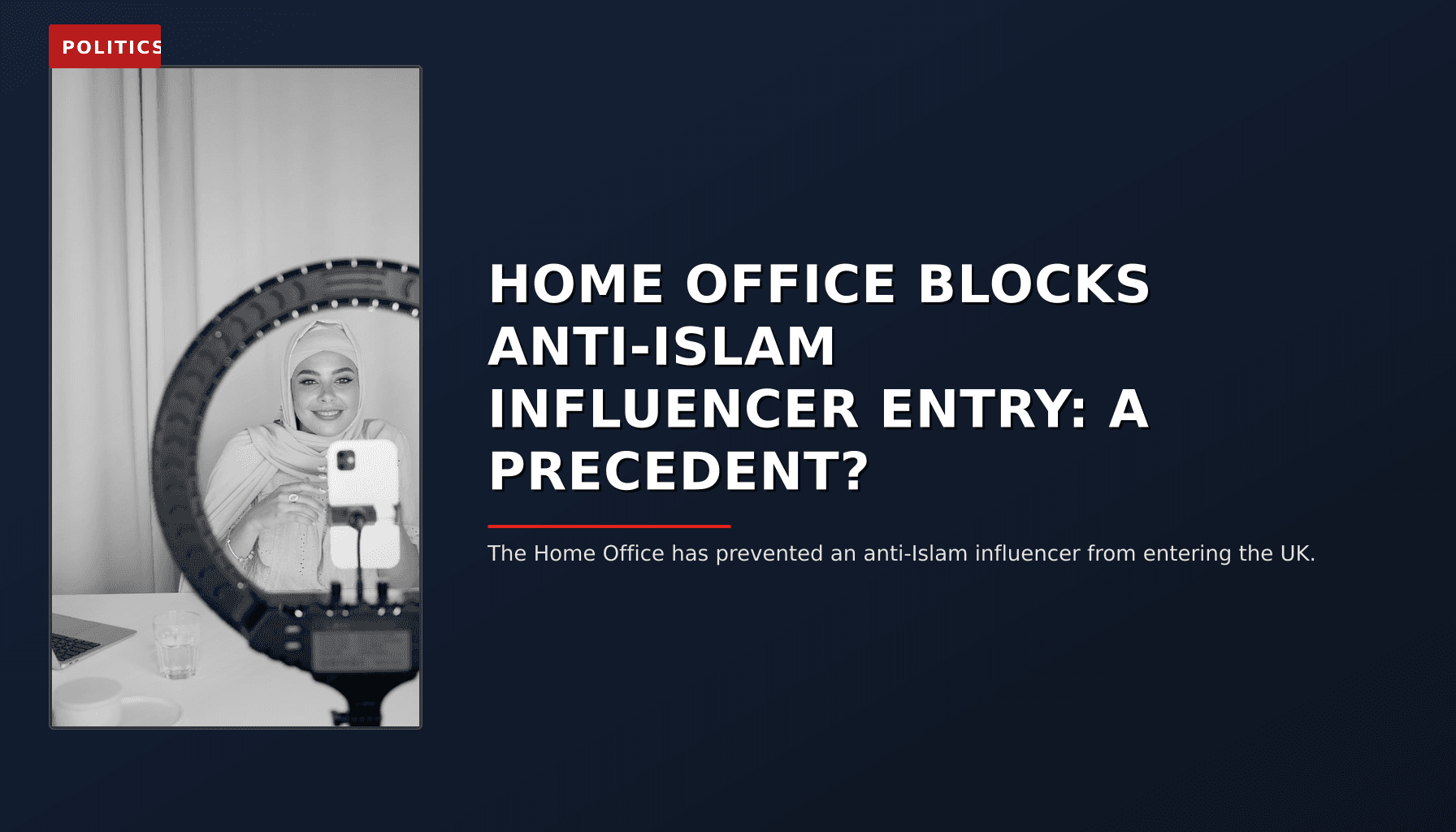
HOME OFFICE BLOCKS ANTI-ISLAM INFLUENCER ENTRY: A PRECEDENT?
The Home Office has blocked an anti-Islam influencer from entering the UK, sparking debates on free speech and national security.


The Home Office has prevented an anti-Islam influencer from entering the UK, raising questions about free speech and immigration policy.
In a move that has sparked debate, the Home Office has denied entry to an anti-Islam influencer seeking to visit the UK. This decision comes amid ongoing discussions about the balance between free expression and national security concerns. The individual, who has gained attention for their online presence批评 Islam, was turned away at the border, according to reports from multiple sources.
The Home Office's action raises several legal and ethical questions. Critics argue that such a block could set a precedent for limiting the entry of individuals with controversial views, potentially infringing on free speech rights. Supporters of the decision, however, maintain that it is necessary to protect public order and prevent the spread of divisive rhetoric.
This case follows previous instances where the UK government has taken steps to restrict access to certain influencers and activists. For example, in 2019, a well-known far-right commentator was denied entry under similar circumstances. These actions highlight a trend towards more stringent immigration policies targeting individuals whose views are deemed potentially harmful.
The decision to block the anti-Islam influencer has been supported by some quarters of society, who believe it is crucial to safeguarding national unity. However, others argue that such measures could chill free expression and set dangerous precedents for future restrictions on speech.
Read more: PLAID Cymru's ELECTION OUTCOME: WHAT DOES IT MEAN FOR WALES' FUTURE?
Legal experts are divided on the implications of this ruling. Some suggest that it could open the door for broader restrictions on political speech, while others argue that it falls within existing legal frameworks designed to prevent incitement to hatred or violence.
Public reaction has been mixed, with social media forums buzzing with debates about the ethics and legality of such measures. Some users have praised the government's decision, calling it a necessary step to combat extremism, while others have expressed concern over what they see as an overreach of governmental power.
As this issue unfolds, questions remain about how similar cases will be handled in the future. The Home Office has stated that its decisions are based on a careful assessment of the potential risks posed by individuals seeking entry. This case underscores the delicate balance between maintaining national security and upholding individual freedoms.
In the coming weeks, legal challenges to this decision may emerge, testing the boundaries of free speech in the UK. The outcome could set a significant precedent for how other governments handle the intersection of immigration and political expression.
Read more: BEN JENNINGS CARTOON SPARKS CONTROVERSY: KEIR STARMER UNDER NEW SCRUTINY
More Stories
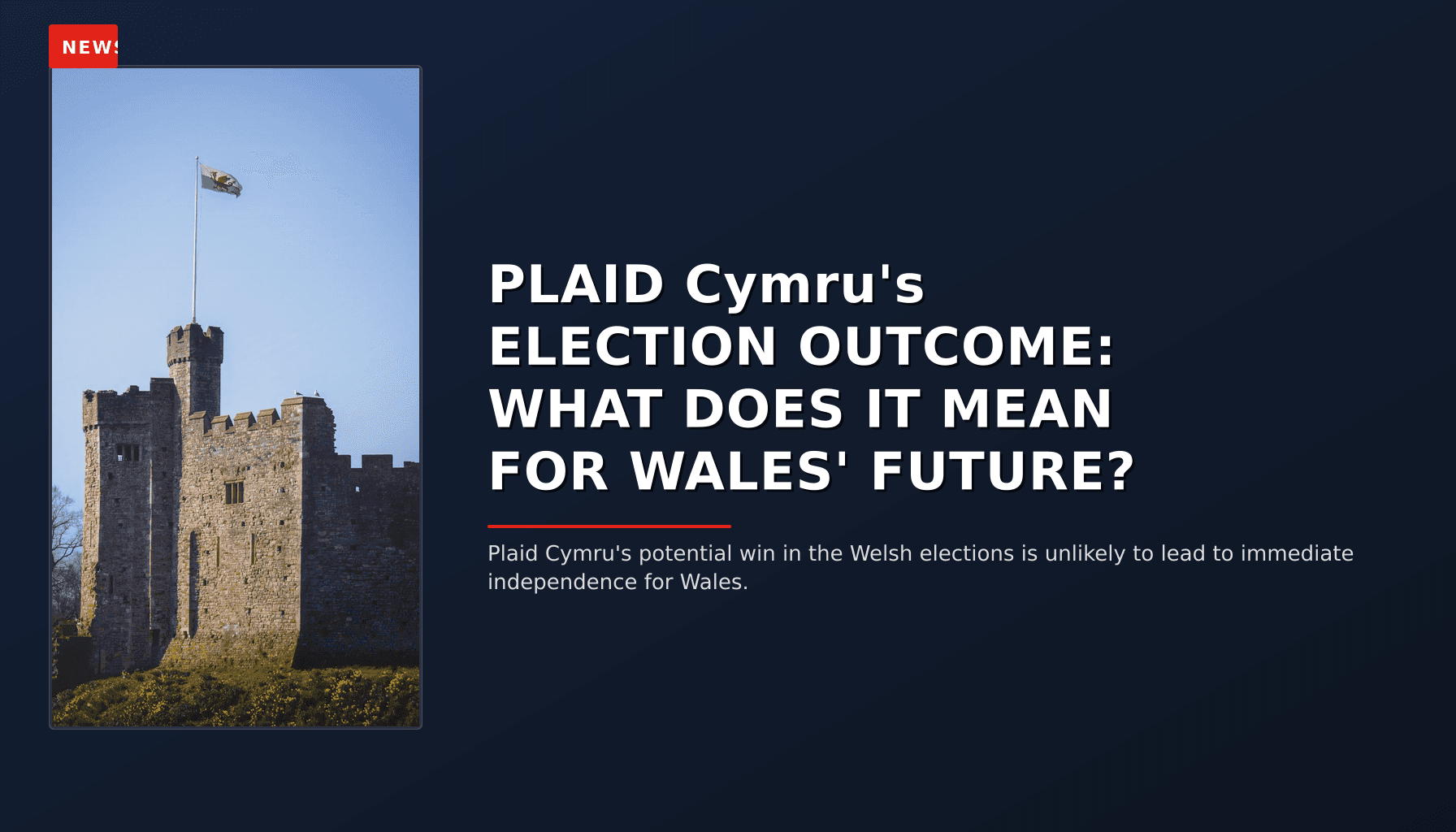
PLAID Cymru's ELECTION OUTCOME: WHAT DOES IT MEAN FOR WALES' FUTURE?
21 April 2026 at 04:262 min read
Read More
BEN JENNINGS CARTOON SPARKS CONTROVERSY: KEIR STARMER UNDER NEW SCRUTINY
21 April 2026 at 02:562 min read
Read More
UK GOVERNMENT PROPOSES ELECTRICITY PRICE CHANGES TO PROMOTE CLEAN ENERGY
21 April 2026 at 02:322 min read
Read More
Comments (0)
No comments yet. Be the first to share your thoughts!
Leave a Comment
Your email address will not be published. Comments are moderated before appearing.