Election fake news exposed: Why the PM has total power to call snap election
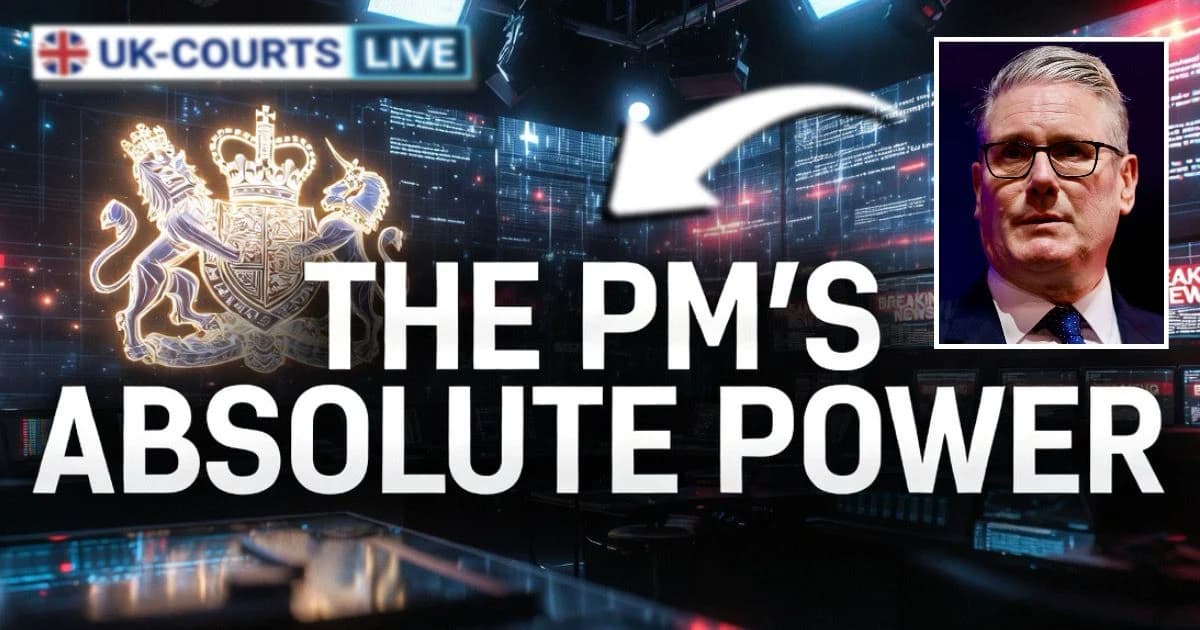
The legal mechanism for triggering a UK General Election rests exclusively with the Prime Minister through the exercise of Royal Prerogative powers, following the legislative repeal of the Fixed-term Parliaments Act 2011. This analysis has been initiated following a significant surge in digital...
The legal mechanism for triggering a UK General Election rests exclusively with the Prime Minister through the exercise of Royal Prerogative powers, following the legislative repeal of the Fixed-term Parliaments Act 2011.
This analysis has been initiated following a significant surge in digital misinformation suggesting that a Prime Minister requires a formal mandate or majority vote from their own Members of Parliament to dissolve the legislature.
Legal monitoring of social media platforms over the weekend has identified a coordinated narrative—largely originating from supporters of the recently launched Restore Britain party led by Rupert Lowe—which seeks to delegitimise the Prime Minister's autonomous authority.
Under the Dissolution and Calling of Parliament Act 2022, the constitutional position returned to a state where the Prime Minister holds the absolute power to request that the Sovereign dissolve Parliament without any secondary legislative consent.
The 2022 Act specifically revoked the previous requirement for a two-thirds majority "super-vote" in the House of Commons, a procedural hurdle that existed only between 2011 and 2022.
The proliferation of false legal claims appears strategically timed to coincide with the formal launch of new political entities that would be disenfranchised by an early election cycle before they can field a full slate of candidates.
Legal clarity on this matter confirms that the Executive decision-making power remains centralised in the office of the Prime Minister, and any assertion of a required party-wide ballot is legally illiterate.
The Sovereign, acting on the advice of the Prime Minister, performs the formal dissolution, which automatically triggers the statutory 25-day timetable for a national poll.
Misinterpretations often conflate internal party rules with the laws of the land, yet no internal party mechanism can legally obstruct a Prime Minister’s request for a Proclamation of Dissolution.
A "Vote of No Confidence" remains a distinct procedural event under the Standing Orders of the House of Commons and does not grant rank-and-file MPs a veto over the timing of an election.
Recent historical precedents, including the dissolution in May 2024, demonstrate the exercise of this Prerogative power as a matter of individual prime ministerial discretion.
Once the Prime Minister has met with the Sovereign to request dissolution, the process is governed by the Representation of the People Act, which dictates the administration of the ensuing vote.
Political startups and nascent movements are legally required to mobilise within the existing statutory framework, regardless of their internal state of readiness or candidate selection progress.
Expert legal commentary confirms that the current constitutional framework is designed to ensure executive flexibility, shielded from the requirement of legislative consensus or internal party ratification.
The Dissolution and Calling of Parliament Act 2022 serves as the definitive legal authority, restoring the pre-2011 status quo and ensuring that the Prime Minister is the sole arbiter of the election timetable.
As the law stands, the Prime Minister’s authority is absolute within the five-year maximum term, and the propagation of contrary legal advice on social platforms constitutes a significant distortion of British constitutional law.