Teen stalker admits terrorism charge after school prom threat
Romantically rejected teen stalked schoolgirls, posed with Nazi symbols, hoarded bomb-making videos and threatened their prom after turning to online extremism. A misogynistic teenager has been convicted of stalking and possessing terrorist material after to threats to attack a school prom caused...
Romantically rejected teen stalked schoolgirls, posed with Nazi symbols, hoarded bomb-making videos and threatened their prom after turning to online extremism.
A misogynistic teenager has been convicted of stalking and possessing terrorist material after to threats to attack a school prom caused organisers to relocate the event for safety reasons.
Dihan Rahman, 19, from Uxbridge in west London, pleaded guilty at the Old Bailey to stalking two teenage girls and a schoolteacher and to possessing terrorist bomb-making videos.
The teen, who administered an extremist Telegram channel that drew on white supremacist, neo-Nazi and pro-ISIS material, was remanded in custody and will be sentenced in May following the preparation of a pre-sentence report.
Three further terrorism counts were ordered to lie on file.
The court heard that Rahman had previously been under the care of a specialist service supporting neurodiverse children and had been diagnosed with autism. He joined a mainstream school in September 2023 and over the months that followed, his behaviour towards female pupils escalated to harassment, threats and intimidation, before police involvement and formal safeguarding measures were put in place.
Prosecutor Serena Gates told the court that Rahman’s behaviour became problematic after one of the girls, who he met at a London army cadet centre, rejected his advances. Messages that were initially friendly became hostile and abusive, spreading to her friend and later to a teacher who intervened to protect them. Threatening messages he sent to the girls expressed toxic ‘incel’ ideology, including : “U wonder why more ppl believe in misogyny… Bye bye until someone bugs out and starts a mass shooting. Neglected by females and then u expect them to be nice?”
Despite warnings and later police involvement, Rahman continued to target the girls across multiple online platforms.
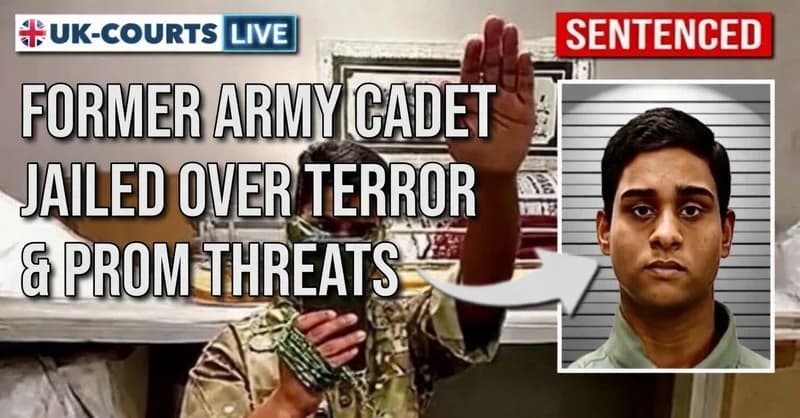
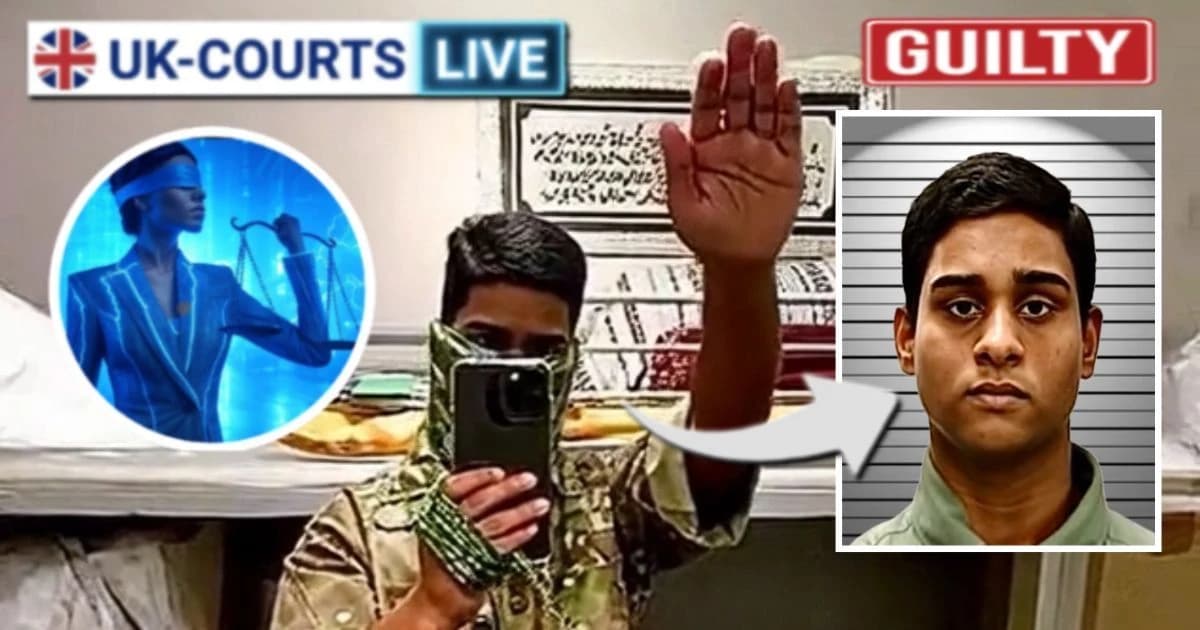
Rahman’s conduct towards the girls was accompanied by repeated expressions of violent misogyny and extremist ideology, including antisemitic imagery, references to mass violence, and photographs of himself posing in military clothing while making a Nazi salute and holding a noose. He sent messages blaming women for his grievances and signalling violent intent, including references to mass attacks. These communications formed part of the stalking behaviour experienced by the girls at the time.
He later threatened to disrupt the girls’ school prom. After identifying the venue, he sent an image depicting an armed Nazi soldier accompanied by a message stating he was ready to “ruin prom”. Organisers subsequently relocated the event due to safety concerns.
Police searches of Rahman’s phone and electronic devices revealed a sustained pattern of online extremism reinforcing the conduct already under investigation. Officers found material spanning neo-Nazi propaganda, incel ideology and violent Islamist content, alongside graphic videos depicting executions, beheadings and violence against women.
Ms Gates told the court that Rahman was not merely consuming extremist content. He was an administrator of a far-right Telegram group known as the Sturmjager Division, which promoted violent extremist ideology and glorified mass attackers.
On 30 January 2024, Rahman downloaded two instructional videos titled “How to make bomb in your mum’s kitchen” and a PVC pipe bomb tutorial. These contained techniques similar to those used in previous terrorist attacks. A notebook recovered from his belongings, titled “Dihan’s socialist diary” and decorated with a hammer-and-sickle emblem, listed everyday sources for chemicals used in bomb-making.
After Rahman was seen photographing one of the girls at school, a teacher examined his phone and discovered extremist imagery, misogynistic material, and messages referring to a “Valentine’s school shooting”. A noose was later found in his locker at the Army Cadet Force centre, after which he was banned from attending.
Despite his arrest and release on bail with strict conditions not to contact the victims, Rahman continued to target them online. He published so-called doxing documents containing personal information about the girls, their families and a teacher, portraying them as a “danger to men” and exposing them to further harassment.
In September 2024, a Stalking Protection Order was imposed prohibiting any contact with the victims or school staff. Further breaches led to Rahman’s arrest in November, when police seized a laptop containing additional extremist material and evidence of continued online activity. While on remand, he sent correspondence to cadet headquarters complaining of “women privilege” and stating: “Even a conviction won’t stop me.”
The facts of this case must be seen in the context of wider concerns highlighted by MPs and parliamentary committees about online radicalisation among young people. Reviews of the Prevent programme and parliamentary reports have noted that some individuals consume content across multiple extremist ideologies—including far-right, jihadist and misogynistic incel material—without coherent ideological commitment, and that such “mixed” radicalisation can contribute to real-world offending.
Now aged 19, Rahman changed his plea during the trial and admitted possessing terrorist documents and videos. Passing the case for sentence, Judge Simon Mayo KC said: “These are very serious offences and they will require appropriate punishment. I will take into account everything I read and am told about you before deciding the nature and length of that sentence.”
Chief Superintendent Helen Flanagan, head of operations for Counter-Terrorism Policing London, said: “This case is yet another example of a growing and concerning trend of young people being drawn into extremist, violent and terrorist ideologies—principally from what they are exposed to and consuming online.” She praised the victims’ courage and the vigilance of teachers who reported concerns.