Midnight veto: The burnham precedent & the High Court horizon
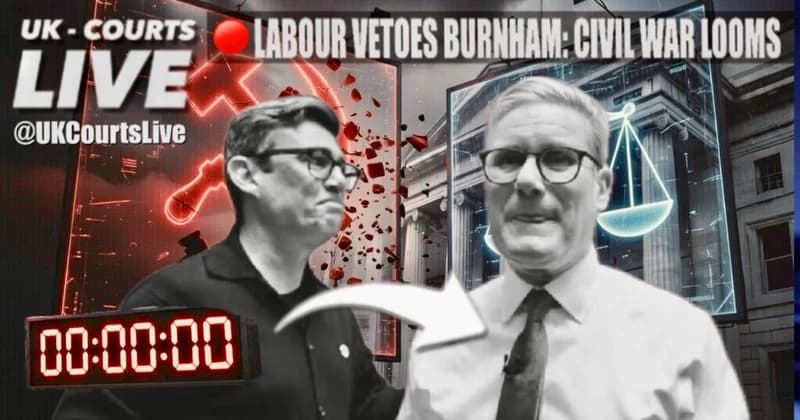
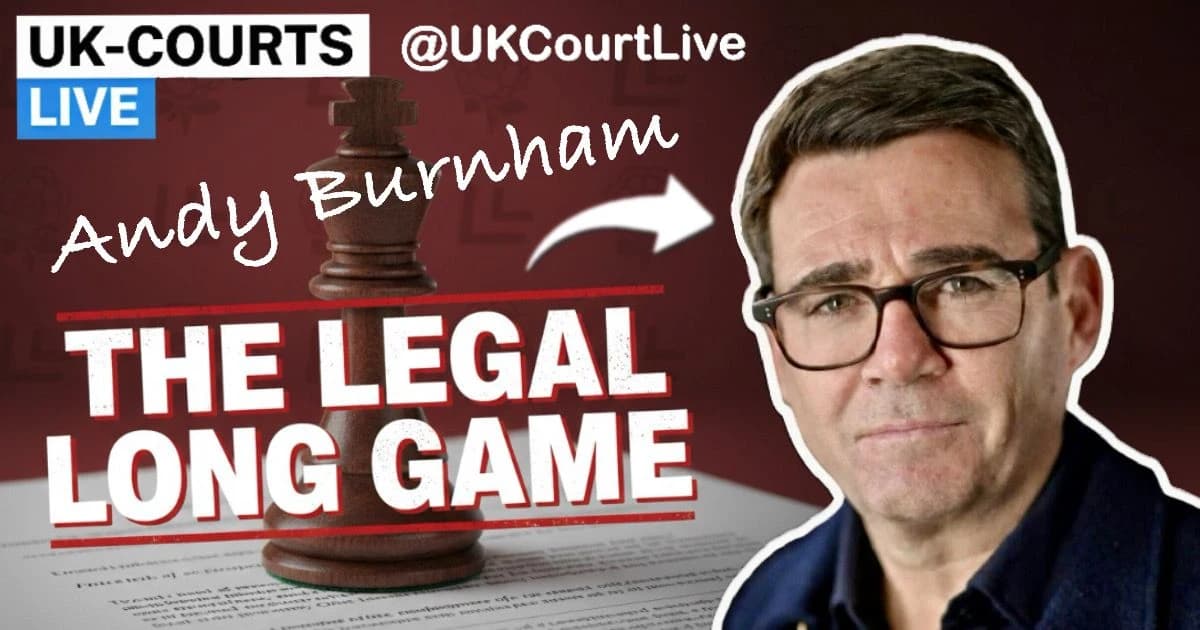
The midnight deadline for applications to the Gorton and Denton Labour parliamentary selection has passed without a legal challenge from the Mayor of Greater Manchester, Andy Burnham. This follows the formal decision by the National Executive Committee Officers Group to refuse Mr Burnham the...
The midnight deadline for applications to the Gorton and Denton Labour parliamentary selection has passed without a legal challenge from the Mayor of Greater Manchester, Andy Burnham.
This follows the formal decision by the National Executive Committee Officers Group to refuse Mr Burnham the requisite permission to seek the candidacy while holding his current executive office.
Legal commentators are now suggesting this initial application on Burnham’s part was merely a strategic exploratory exercise to establish a procedural baseline for future vacancies in the region, and he he never expected this first place to be allowed from the offset.
The NEC justified its eight-to-one vote by citing the four-point-seven million pound cost of a mayoral by-election as a primary barrier to entry.
By allowing this specific deadline to expire, Mr Burnham has avoided a high-risk emergency injunction but has successfully forced the Labour Party to place its restrictive reasoning on the record.
This administrative paper trail now provides a strong legal foundation for a future challenge based on the principle of ‘Wednesbury unreasonableness’, which assesses whether a decision is so irrational that no reasonable authority could have reached it.
Should further vacancies arise in neighbouring constituencies such as Blackley and Middleton South or Burnley, the Mayor’s legal team is now positioned to argue that the repeated use of fiscal costs to block a candidate is a disproportionate fettering of discretion.
The ongoing investigation into the ‘Trigger Me Timbers’ WhatsApp group by the Parliamentary Standards Commissioner remains a significant variable in the regional political landscape.
Following the resignation of Andrew Gwynne, focus has intensified on Burnley MP Oliver Ryan, who has also been administratively suspended and faces scrutiny over two thousand messages allegedly sent within the same group.
If further resignations occur, any subsequent refusal of permission would likely be met with a claim for declaratory relief in the Administrative Court.
If Burnham applies for a seat vacated by a "Trigger Me Timbers" MP, the NEC cannot use the "Fiscal Shield" (£4.7m) as a defense in court.
Burnham’s team will argue that the party is prioritising the financial cost of an election over the moral necessity of cleaning up a "vile and toxic" clique.
A claimant in such a case would argue that the party is acting in bad faith by using a variable financial figure to override the democratic participation rights of its members.
The courts traditionally treat political parties as private members' clubs governed by contract law, yet they remain subject to the requirements of procedural fairness and the internal rules of the organisation.
By testing the water with the Gorton and Denton seat, the Mayor has effectively neutralised the element of surprise that the NEC utilised to impose a twenty-four-hour application window.
A political party cannot effectively grant its members "rights" in a rulebook and then strip them away using a financial figure that is outside the member's control. If "cost" is a permanent bar, then no Metro Mayor can ever run for Parliament, which effectively creates a two-tier membership.
Future legal salvos would likely focus on the legitimate expectation of a fair selection process, a doctrine that protects individuals from arbitrary or capricious changes to established procedures.
Rumours regarding the potential retirement of veteran MP Graham Stringer in Blackley and Middleton South continue to circulate, with his public opposition to a Burnham return now forming part of the documented political friction.
The focus now shifts to the High Court’s potential role in interpreting the Labour Party rulebook should a second "procedural ambush" be attempted during the next by-election cycle.
For now, the Mayor remains in post, but the legal framework for a significant challenge to the party’s central authority has been clearly delineated.